
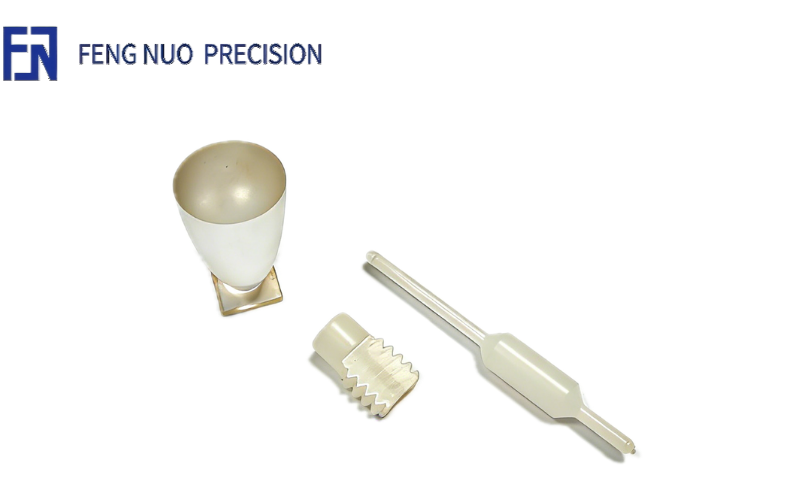
Swiss-Type CNC Machined Acrylic Light Guide Pins for 3C Electronics
In the 3C electronics industry—covering computers, communications, and consumer electronics—visual indicators play a vital role in user interaction. LED status signals, notification lights, and interface indicators must be clear, consistent, and precisely aligned with internal light sources. Acrylic light guide pins (also known as light pipes or light guide columns) are essential components that transmit light from internal LEDs to visible exterior panels.
Our Swiss-type CNC machined acrylic light guide pins for 3C electronic applications are engineered to deliver high optical clarity, dimensional precision, and stable mass production quality. Designed for smartphones, wearable devices, communication terminals, network equipment, and smart home electronics, these components ensure accurate light transmission and professional product presentation.
Swiss-type CNC machining is particularly suited for small-diameter, high-precision parts with strict tolerance requirements—making it ideal for manufacturing acrylic light guide columns with consistent geometry and surface quality.
Why Swiss-Type CNC Machining for Acrylic Light Guides?
Light guide pins are typically small in diameter and require:
Tight dimensional tolerances
High concentricity
Smooth optical surfaces
Accurate length control
Stable batch consistency
Swiss-type CNC lathes support precision machining of slender components by providing guide bushing support close to the cutting area. This minimizes vibration and deflection during machining, resulting in higher dimensional accuracy and improved surface finish.
For acrylic components, this precision is critical to maintain light transmission efficiency and alignment with internal LED sources.
Functional Role in 3C Electronics
Acrylic light guide pins are commonly used in:
Power status indicators
Charging notification lights
Network signal indicators
Audio equipment LED displays
Communication device interface panels
Smart home device status lights
Proper optical transmission requires precise alignment between the LED source and the visible output surface. Even minor deviations in diameter or surface quality can affect light intensity and clarity.
Our Swiss-type machining process ensures consistent geometry for reliable light performance.
Material Selection: Acrylic for Optical Clarity
Acrylic (PMMA) is widely used for light guide applications due to its:
High light transmission rate
Excellent optical clarity
Stable mechanical properties
Good machinability
Resistance to yellowing
For electronic devices, acrylic must maintain transparency and structural stability under moderate heat generated by LEDs or surrounding components.
Careful cutting parameters and controlled machining speeds are applied to prevent micro-cracking or surface haze during processing.
Manufacturing Standards in the 3C Industry
The 3C electronics sector demands consistent precision and repeatable production quality.
Our Swiss-type CNC machining processes align with:
ISO 9001 quality management standards
Dimensional inspection using precision measurement tools
Surface finish verification
Batch traceability documentation
Controlled production processes
Critical dimensions such as diameter, length, and end-face flatness are carefully inspected to ensure proper fit within device housings.
For transparent components, visual inspection and optical clarity evaluation are also performed.
Engineering Considerations for Acrylic Light Guide Pins
Manufacturing high-quality acrylic light guides requires attention to several technical factors:
1. Surface Finish Quality
Smooth internal and external surfaces enhance light transmission efficiency.
2. Concentricity and Straightness
Precise geometry ensures consistent alignment with LED sources.
3. Heat Sensitivity Control
Acrylic machining requires optimized cutting speeds to prevent melting or deformation.
4. End-Face Precision
Polished or flat-cut end surfaces affect light dispersion and brightness.
Advanced toolpath programming and controlled machining conditions help achieve consistent optical performance.
Post-Processing and Finishing Options
Depending on application requirements, acrylic light guide pins may undergo additional finishing processes such as:
End-face polishing for enhanced light clarity
Surface smoothing treatments
Laser marking for identification
Custom shaping or contour finishing
Polishing improves light transmission and minimizes internal scattering, enhancing overall visual output quality.
Additional Swiss-Type CNC Capabilities for 3C Electronics
Beyond acrylic light guide pins, our Swiss-type CNC machining services support a variety of small precision electronic components, including:
Miniature metal shafts
Connector pins
Precision spacers
Micro bushings
Stainless steel fasteners
Aluminum alignment rods
Swiss-type machining is particularly suitable for high-volume production of small-diameter components requiring tight tolerances and stable repeatability.
Commitment to Precision Optical Components
In modern electronic products, even small components such as light guide pins contribute significantly to user experience and product quality perception. Our Swiss-type CNC machining expertise ensures acrylic light guide components that meet optical clarity standards, dimensional precision requirements, and consistent batch quality.
From prototype sampling to scalable production, we focus on accuracy, surface integrity, and reliable performance.
Whether supporting consumer electronics manufacturers, communication equipment developers, or smart device innovators, our precision-machined acrylic light guide pins provide dependable optical transmission for advanced 3C electronic systems.