Frequently Asked Questions (FAQ)
1. CNC Machining & Capabilities
Q1: What CNC machining services do you offer?
We provide a full range of CNC machining services, including CNC milling, CNC turning, Swiss machining, and multi-axis mill-turn machining. In addition, we support 3D printing, sheet metal fabrication, and complete surface finishing, allowing customers to complete their projects through a one-stop manufacturing solution.
Q2: What types of parts are suitable for Swiss machining?
Swiss machining is ideal for small, high-precision parts with tight tolerances and complex features. It is commonly used for components in medical devices, electronics, connectors, and precision mechanical assemblies where dimensional consistency is critical.
Q3: Can you handle complex or multi-axis CNC parts?
Yes. With multi-axis CNC equipment and mill-turn machining capabilities, we can produce complex parts that require multiple operations in a single setup. This approach improves accuracy, reduces production time, and ensures better part consistency.
Q4: Do you support both prototyping and mass production?
We support the entire production cycle, from rapid prototyping and small batch production to stable mass manufacturing. Our processes are designed to ensure consistency between prototype and production parts.
2. Surface Finishing & Materials
Q5: What surface finishing options do you provide?
Our surface finishing services include anodizing, electroplating, electrophoresis (e-coating), powder coating, sandblasting, and painting. These processes enhance corrosion resistance, durability, and appearance based on application requirements.
Q6: How do I choose between anodizing and electroplating?
Anodizing is mainly used for aluminum parts and improves corrosion resistance and surface hardness while maintaining a metallic appearance. Electroplating applies a metal coating to the surface and is suitable for improving wear resistance, conductivity, or decorative appearance. Our engineers can recommend the best option based on material and functional needs.
Q7: Does surface finishing affect part tolerance?
Yes, some surface finishing processes add a coating thickness that may affect tight tolerances. We take this into account during machining and finishing planning to ensure final dimensions meet drawing requirements.
Q8: Can multiple surface finishes be applied to one project?
Yes. Depending on the design and function of the part, we can apply different surface finishes to different components within the same project.
3. Quality Control & Inspection
Q9: How do you ensure CNC machining quality?
We implement quality control throughout the production process, including incoming material inspection, in-process checks, and final inspection before shipment. This ensures stable quality and repeatability across all production stages.
Q10: How do you control tight tolerances?
Tight tolerances are controlled through precise machining processes, proper tool selection, and inspection using calibrated measuring equipment. We verify critical dimensions during and after machining to ensure compliance with customer drawings.
Q11: Do you provide inspection reports?
Yes. Inspection reports such as dimensional inspection records can be provided upon request, especially for projects with strict quality requirements.
Q12: How do you reduce defects in mass production?
By maintaining consistent machining parameters, standardized work instructions, and continuous process monitoring, we minimize variations and reduce defects during mass production.
4. Pricing, MOQ & Lead Time
Q13: How is CNC machining cost calculated?
CNC machining cost is based on factors such as material type, part complexity, tolerance requirements, surface finishing, order quantity, and lead time. We provide transparent quotations based on project specifications.
Q14: Do you have a minimum order quantity (MOQ)?
There is no fixed MOQ. We support both small batch orders and large production volumes, depending on the process and material.
Q15: What is your typical lead time?
Lead time depends on part complexity and order quantity. Prototypes typically take a shorter time, while mass production requires additional scheduling. We will confirm lead time during the quotation stage.
Q16: Can you support urgent or expedited orders?
Yes. For urgent projects, we can evaluate production schedules and offer expedited manufacturing options when possible.
5. Ordering, Files & Communication
Q17: What files are required for a quotation?
We typically require 2D drawings and/or 3D CAD files such as STEP or IGES. Clear specifications help us provide accurate quotations and manufacturing plans.
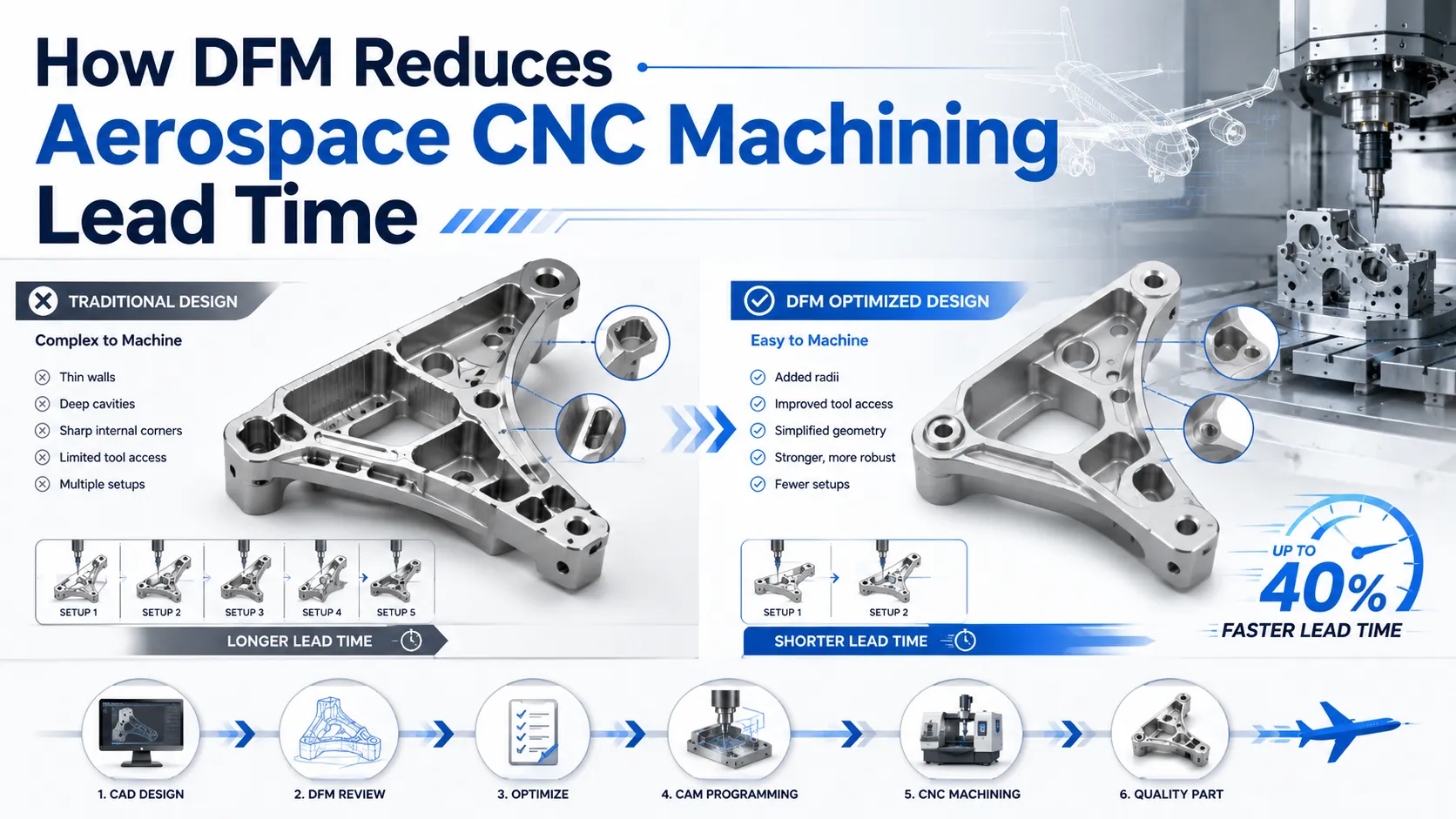
Q18: Can you help optimize my design for manufacturing?
Yes. Our engineering team can provide manufacturability feedback, including suggestions on material selection, tolerances, and process optimization to reduce cost and improve production efficiency.
Q19: How do you communicate during production?
We maintain clear and responsive communication throughout the project, providing updates on production progress and addressing technical questions promptly.
Q20: How do I place an order?
You can contact us through our website or email with your drawings and requirements. After confirming the quotation and specifications, we will proceed with production according to the agreed schedule.