
Previous
Next
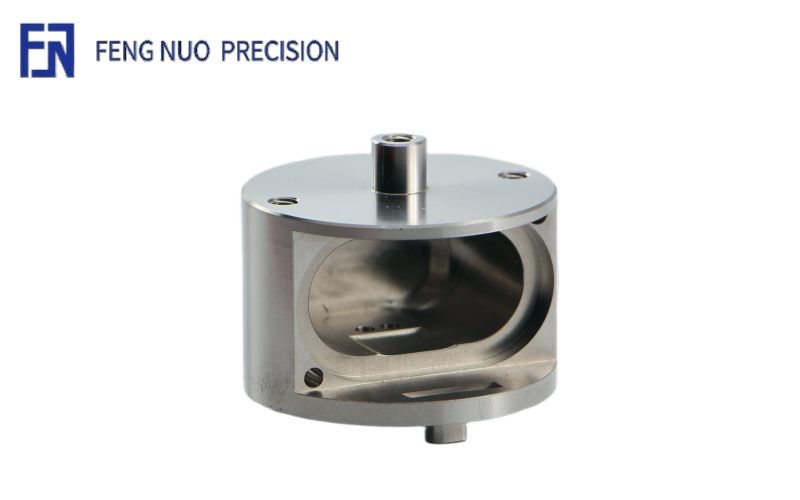
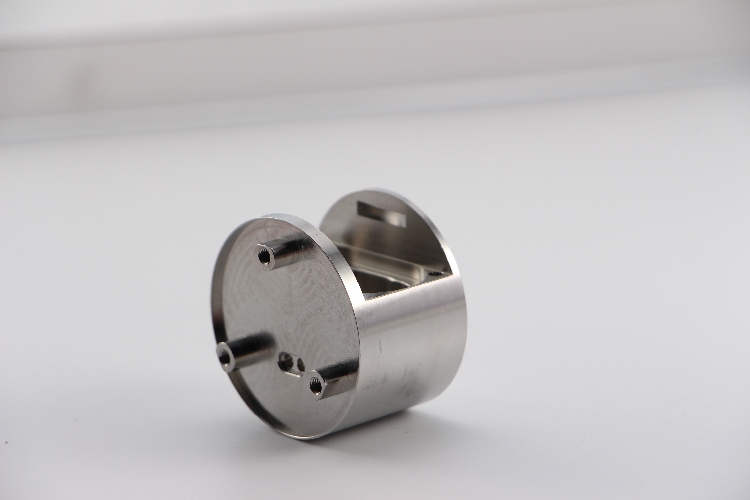
Mill-Turn Machining 5 Turn-Mill Machined Stainless Steel Fixed Shafts for Automation Systems
In industrial automation systems, precision mechanical components are the backbone of stable and efficient operation. Among them, fixed shafts play a fundamental role in supporting rotating assemblies, guiding linear motion systems, and ensuring structural alignment within automated machinery.
As a professional machining factory, we specialize in the production of turn-mill machined stainless steel fixed shafts for automation applications, delivering tight tolerance control, consistent concentricity, and reliable batch production. By integrating CNC turning and multi-axis milling in a single machining platform, we ensure precise geometry and efficient manufacturing for complex shaft components.
Automation systems operate continuously under dynamic loads, vibration, and repetitive motion. Therefore, dimensional accuracy, surface finish, and structural stability are critical factors in fixed shaft production.
Role of Fixed Shafts in Automation Equipment
Stainless steel fixed shafts are widely used in:
Robotic arm assemblies
Linear motion systems
Conveyor drive modules
Servo motor mounting structures
Positioning systems
Automated packaging machinery
Industrial inspection equipment
These shafts often serve as structural reference points, bearing supports, or alignment components within automated systems. Precision in diameter, straightness, and surface finish directly affects system performance and mechanical longevity.
Advantages of Turn-Mill Composite Machining
Fixed shafts may appear simple, but automation applications frequently require additional features such as:
Precision bearing seats
Threaded ends
Keyways
Cross-drilled holes
Flat surfaces
Mounting grooves
Multi-diameter transitions
Turn-mill composite machining allows both rotational turning and multi-surface milling to be completed in one clamping operation. This minimizes repositioning errors and improves the concentricity between shaft diameters and secondary features.
Single-setup processing enhances geometric consistency and production efficiency—essential for medium and high-volume automation projects.
Stainless Steel Material Benefits
Stainless steel is commonly selected for fixed shafts in automation systems because of its:
High mechanical strength
Excellent corrosion resistance
Wear resistance
Stable dimensional performance
Long service life
Materials such as SUS304 are widely used for general industrial environments, while SUS316 may be selected for more demanding or corrosive conditions.
Stainless steel shafts maintain stability under repetitive mechanical stress and moderate thermal variation.
Manufacturing Standards and Quality Control
Automation industry components require reliable repeatability and documented inspection processes.
Our machining operations are structured under:
ISO 9001 quality management systems
First Article Inspection (FAI)
Statistical Process Control (SPC)
Dimensional verification using CMM
Material traceability documentation
Critical characteristics such as diameter tolerance, concentricity, straightness, thread accuracy, and surface roughness are carefully inspected.
For shafts used in bearing assemblies, tight tolerance control ensures smooth rotation and minimal vibration.
Engineering Considerations in Fixed Shaft Production
Producing high-quality stainless steel fixed shafts involves attention to several technical aspects:
1. Concentricity Control
Multiple diameters must maintain precise alignment to prevent assembly misalignment.
2. Surface Finish Quality
Smooth bearing surfaces reduce friction and wear.
3. Thread Precision
Accurate thread machining ensures secure integration within assemblies.
4. Straightness and Rigidity
Long shafts must maintain structural stability without bending.
Optimized toolpaths and stable clamping techniques minimize distortion during machining.
Surface Finishing and Secondary Processes
Depending on automation system requirements, stainless steel fixed shafts may undergo additional finishing treatments such as:
Precision polishing
Passivation for corrosion resistance
Deburring and edge refinement
Heat treatment (if required)
Laser marking for identification
Surface finishing enhances wear resistance and ensures reliable long-term performance.
Additional Turn-Mill Capabilities for Automation Industry
In addition to fixed shafts, our factory produces a variety of precision automation components, including:
Motor coupling hubs
Guide rods
Connector adapters
Mounting brackets
Sensor positioning shafts
Rotary drive components
Turn-mill machining is particularly effective for rotational components that require integrated milled features and tight geometric control.
Our Commitment as a Machining Manufacturer
As a machining factory serving the automation industry, we focus on precision manufacturing, process stability, and consistent batch output. Our turn-mill machining capabilities enable us to produce stainless steel fixed shafts that meet strict dimensional standards and operational reliability requirements.
From prototype development to serial production, we emphasize repeatable accuracy, structured inspection procedures, and material traceability.
Whether supporting robotic system integrators, automated production line manufacturers, or industrial equipment suppliers, our stainless steel fixed shafts contribute to stable, efficient, and high-performance automation systems.