
Previous
Next
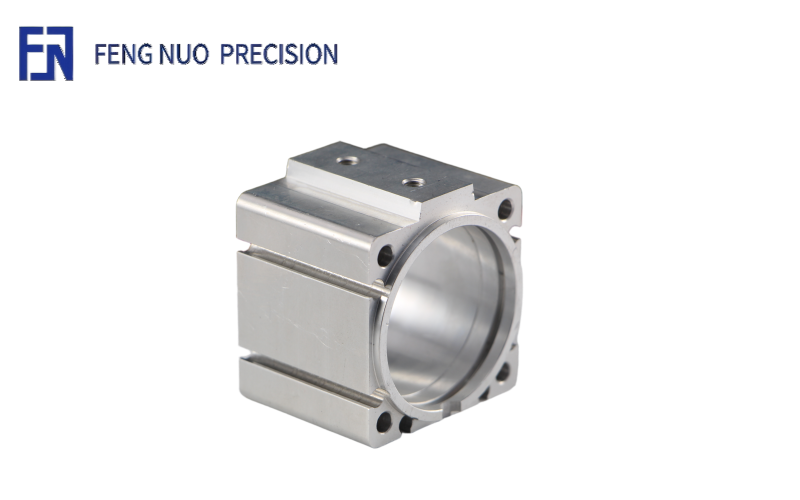
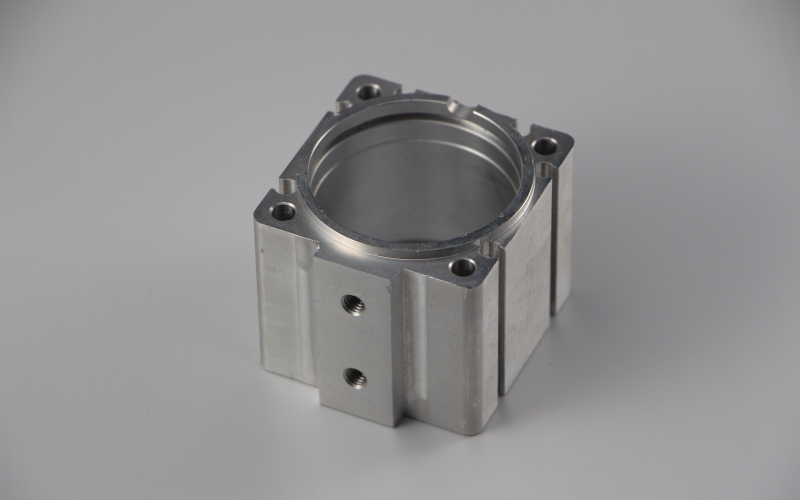
Turn-Mill Machined Aluminum Components for UAV and Drone Systems
The unmanned aerial vehicle (UAV) industry continues to expand across commercial, industrial, and defense applications. From aerial photography and agricultural monitoring to surveying, inspection, and logistics, drone systems require lightweight yet structurally reliable components to ensure stable flight performance.
Our turn-mill machined aluminum components for UAV and drone applications are engineered to meet the demanding requirements of weight optimization, dimensional precision, and structural integrity. By integrating CNC turning and multi-axis milling into a single machining platform, we produce complex aluminum parts with tight tolerances and consistent repeatability—essential for modern drone assemblies.
In UAV systems, even minor dimensional deviations can impact balance, vibration control, and aerodynamic stability. Therefore, advanced turn-mill composite machining plays a critical role in delivering high-precision components.
Why Turn-Mill Machining for Drone Components?
Drone components often feature rotational geometries combined with multi-surface mounting interfaces. Common structural features include:
Motor mounting hubs
Propeller shaft adapters
Camera gimbal connectors
Structural coupling components
Lightweight cylindrical housings
Threaded connection interfaces
Multi-axis alignment features
Turn-mill machining enables both rotational processing and complex side milling in a single clamping setup. This reduces repositioning errors and improves geometric consistency between critical surfaces.
The ability to machine multiple features without secondary setups enhances accuracy and production efficiency—particularly important in UAV component manufacturing.
Lightweight Aluminum for UAV Performance
Weight reduction is one of the most important design goals in drone engineering. Aluminum alloys are widely used in UAV structural parts because they offer:
High strength-to-weight ratio
Excellent machinability
Good corrosion resistance
Stable mechanical performance
Compatibility with anodizing treatments
Common materials such as 6061-T6 or 7075 aluminum alloys are selected based on load requirements and performance expectations.
Lightweight aluminum parts improve flight endurance, battery efficiency, and payload capacity—critical factors in drone system design.
Industry Standards and Quality Requirements
The UAV industry requires precision manufacturing to ensure safe and stable operation.
Our machining processes follow structured quality management systems including:
ISO 9001 quality standards
First Article Inspection (FAI)
Statistical Process Control (SPC)
Material certification and traceability
Dimensional inspection using CMM
Critical tolerances such as concentricity, flatness, perpendicularity, and thread accuracy are carefully inspected to ensure proper alignment within drone assemblies.
For dynamic components such as motor mounts and shaft connectors, geometric precision directly affects vibration control and flight stability.
Engineering Considerations in UAV Aluminum Components
Manufacturing aluminum drone components involves attention to several technical aspects:
1. Weight Optimization
Material removal strategies focus on reducing mass while maintaining structural strength.
2. Dimensional Precision
Precise alignment ensures smooth integration with motors, frames, and flight control modules.
3. Vibration Resistance
Balanced machining improves dynamic stability during high-speed rotation.
4. Surface Finish
Smooth surfaces enhance durability and support protective coatings.
Optimized toolpaths and stable fixturing techniques help minimize deformation during machining.
Surface Treatment and Finishing
Depending on application requirements, aluminum UAV components may undergo additional surface treatments such as:
Anodizing for corrosion resistance
Hard anodizing for enhanced durability
Precision deburring and edge finishing
Thread tapping and insert installation
Laser marking for identification
Anodized finishes not only improve corrosion resistance but also provide aesthetic customization options for branded drone products.
Additional Turn-Mill Capabilities for UAV Industry
Beyond aluminum structural parts, our turn-mill machining services support a wide range of UAV components, including:
Stainless steel drive connectors
Titanium lightweight structural parts
Motor shaft adapters
Precision threaded couplings
Camera stabilization mounts
Battery housing connectors
Turn-mill composite machining is particularly effective for rotational components with integrated multi-axis features.
Commitment to UAV Precision and Reliability
Drone systems operate in dynamic environments where structural reliability and precise balance are essential. Our turn-mill machining expertise ensures aluminum UAV components that meet strict dimensional and structural requirements.
From prototype development to scalable production, we emphasize repeatable accuracy, lightweight optimization, and stable batch quality.
Whether supporting commercial drone manufacturers, industrial UAV developers, or advanced aerial system integrators, our turn-mill machined aluminum components contribute to efficient, stable, and high-performance UAV platforms.