
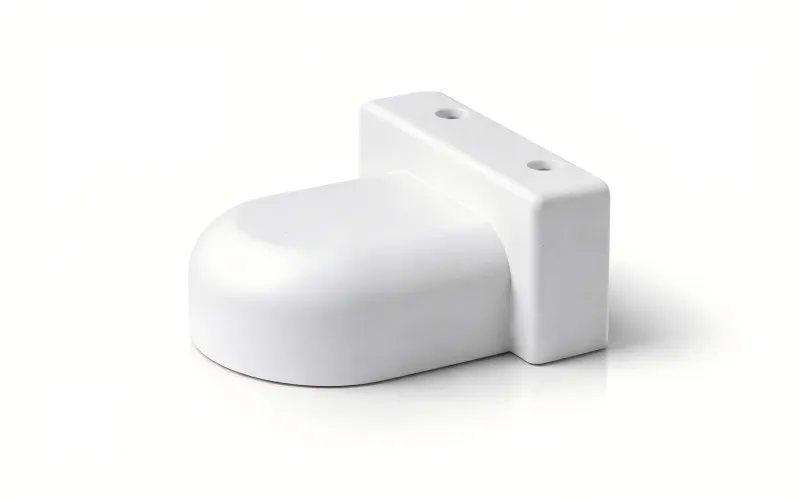
Electrostatic Spraying
Advantages of Electrostatic Powder Coating
Electrostatic powder coating is a finishing process in which powder paint is evenly applied to the part surface by electrostatic attraction, then cured at high temperature to form a durable protective layer. Compared with traditional liquid painting, it offers the following advantages:
Thicker and more practical coating
A single coating can reach 50–150 μm, providing good resistance to scratches, impact, and wear for precision CNC partsFlexible color and texture options
RAL and Pantone colors are available, with finishes such as smooth, sand texture, wrinkle, metallic, and moreLong outdoor service life
Standard systems can last 10–15 years, while fluorocarbon powder systems can reach 20+ years with strong UV and weather resistanceEnvironmentally friendly
Contains little or no VOCs, and the powder recycling rate can reach about 98%, making it suitable for industries with strict environmental requirementsCost-effective for batch production
No liquid solvents are needed, and one-pass coating helps reduce production cost for large-volume projects
2. How to Choose the Right Coating Process
| If You Need… | Recommended Process | Core Advantage | Typical Applications |
|---|---|---|---|
| The most durable and practical coating | Powder coating | Thick coating (50–150 μm), strong surface protection, rich color choices | Aluminum profiles, outdoor facilities, appliance housings |
| A thinner coating with smoother gloss | Liquid spray painting | Thin coating (10–30 μm) and smoother surface appearance | Automotive trim, high-gloss decorative parts |
Simple rule:
If you need thicker coating + more color options, powder coating is usually the better choice.
If you need thinner coating + higher gloss, liquid spray painting may be more suitable.
3. Process Capabilities
| Item | Description |
|---|---|
| Suitable Materials | Aluminum alloy, stainless steel, zinc alloy, steel, and other common conductive metals used in CNC parts |
| Coating Thickness | 50–150 μm as standard, with special anti-corrosion or thick-coating options available |
| Color Options | Full RAL / Pantone color range, with custom colors available |
| Surface Texture | Smooth, sand texture, wrinkle, textured, metallic, wood-look, and more |
| Gloss Level | Matte (≤30 GU), semi-gloss (30–70 GU), high gloss (≥70 GU) |
| Corrosion Resistance | Typically 500–3000+ hours neutral salt spray, depending on system |
| Outdoor Durability | Standard systems 10–15 years, fluorocarbon systems 15–20+ years |
4. Coating Thickness and Weather Resistance Reference
| Coating Grade | Thickness (μm) | Salt Spray Resistance (Hours) | Outdoor Service Life | Typical Applications |
|---|---|---|---|---|
| Standard Coating | 50–80 | 500+ | 5–10 years | Consumer electronics housings, industrial equipment parts |
| Enhanced Coating | 80–120 | 1000+ | 10–15 years | Automotive parts, medical equipment housings |
| Heavy-Duty Anti-Corrosion Coating | 120–150 | 2000–3000+ | 15–20+ years | Aerospace structural parts, marine equipment |
5. Influence on Part Dimensions
Yes, powder coating affects dimensions, so it should be evaluated in advance.
Typical one-side coating build-up is 0.025–0.150 mm
For threaded holes and precision fitting surfaces, masking protection is usually required, otherwise coating build-up may affect assembly
For general appearance surfaces, the dimensional effect is usually small
For precision parts used in industries such as aerospace and medical, key fitting areas are usually confirmed before coating, and masking or post-coating correction can be arranged if necessary.
6. Products Suitable for Powder Coating
| Industry | Typical Parts | Main Value |
|---|---|---|
| Aerospace | Interior panels, brackets, connectors, instrument housings | Durable protective coating with wear and corrosion resistance, while meeting appearance requirements |
| Consumer Electronics | Laptop housings, audio grilles, smart device frames | Rich colors and textures, improved product appearance and surface quality |
| Industrial Manufacturing | Equipment frames, control boxes, instrument panels, machine housings | Scratch resistance, chemical resistance, and better overall appearance |
| Automotive | Interior decorative parts, engine covers, transmission housings, brackets | Impact resistance, corrosion resistance, flexible color options, improved part consistency |
| Medical Equipment | Equipment housings, instrument panels, surgical tool handles | Smooth and easy-to-clean surface, wear and corrosion resistance, suitable for hygienic environments |
7. Frequently Asked Questions
1) What is the difference between powder coating and spray painting?
Powder coating forms a thicker, stronger, and more environmentally friendly coating, with little or no VOCs. Liquid spray painting creates a thinner coating and often gives a smoother glossy finish, but its protection is usually lower. For parts that need long-term durability, powder coating is often the better choice.
2) Can powder-coated parts be shipped directly?
Yes. After curing, the coating becomes a finished protective layer with good resistance to scratches, wear, and corrosion, so the parts can usually be shipped directly as finished products.
3) Will powder coating affect threaded holes and fitting dimensions?
Yes, it can. Coating build-up may make threaded holes or tight fitting areas smaller. Masking or post-coating recovery is usually recommended. Key fitting areas should be confirmed before production.
4) Can aluminum parts be powder coated?
Yes. Powder coating is a mature and widely used finishing process for CNC aluminum parts. It offers strong adhesion and good corrosion resistance, and is commonly used in automotive, electronics, and other industries.
8. Conclusion
Powder coating gives CNC precision parts a durable and attractive outer layer. Whether your project needs long-term corrosion resistance, better surface durability, or a more refined appearance, powder coating can be a practical finishing solution.
To achieve the right result, it is best to confirm the industry standard, color requirement, corrosion resistance level, and any critical fitting areas early in the project.
Need quotation support? Please send the material, drawing, color requirement, and target corrosion resistance level, and we can reply quickly.