
Previous
Next
Electroplating
What Problems Can Electroplating Solve?
Your metal parts may face problems such as:
Easy to rust
Surface is not hard enough and scratches easily
Better conductivity is needed, but the base material is not enough
The part works well, but the appearance does not look premium
Electroplating adds a protective metal layer to the surface of the part, helping solve these issues in one process.
What Electroplating Can Bring to Your Parts
Corrosion resistance
Helps parts resist rust in humid or harsh environmentsBetter wear resistance
Makes the surface harder and more resistant to friction and damageConductivity or solderability
Suitable for electronic components and electrical contact partsImproved appearance
Creates a bright, matte, or decorative surface finish and makes the product look more refined
Common Electroplating Types
Different plating types are suitable for different needs.
| If You Need… | Recommended Plating | Surface Appearance | Typical Parts |
|---|---|---|---|
| The most economical corrosion protection | Zinc plating | Silver white, blue zinc, color zinc, black zinc | Screws, brackets, sheet metal parts, hardware tools |
| Corrosion resistance plus a better-looking finish | Nickel plating | Slight yellow-silver, bright finish | Electronic connectors, bathroom hardware, molds |
| High hardness and mirror-like decorative effect | Chrome plating | Bright silver-white, mirror-like | Automotive wheels, faucet parts, decorative plastic parts |
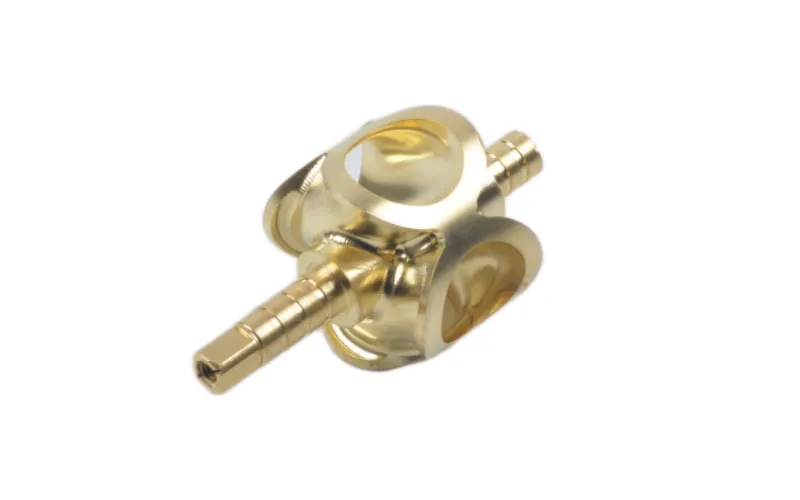
| Best conductivity | Gold plating | Golden color | PCB contacts, high-end electronic components |
| Best conductivity and thermal performance | Silver plating | Silver white | High-frequency connectors, switch contacts |
Simple way to choose:
If you mainly need anti-rust protection, choose zinc plating.
If you want a nicer decorative finish, choose nickel plating.
If you want a bright mirror effect and higher hardness, choose chrome plating.
If electrical performance matters most, choose gold plating or silver plating.
Supported Materials and Specifications
| Item | Description |
|---|---|
| Suitable Materials | Iron, steel, aluminum alloy, copper, zinc alloy; some plastics can also be plated after special treatment |
| Typical Thickness | Usually 0.5–30 μm, depending on the plating type and requirement |
| Available Colors | Silver white, bright silver, gold, black nickel, blue zinc, color zinc, and more |
| Corrosion Protection Level | Can range from 72 to 1000+ hours in salt spray testing, depending on plating type and specification |
Influence on Part Dimensions
Yes, electroplating does affect dimensions, but in most cases it is controllable.
Electroplating adds a metal layer to the surface of the part, so it increases surface thickness.
Typical coating thickness: 0.005–0.03 mm
For general appearance surfaces, the effect is usually very small
For threaded holes, precision holes, or tight fitting areas, masking or post-plating dimensional correction is recommended
If your part has key assembly areas that need to stay within strict tolerance, this should be confirmed before production.
Products Suitable for Electroplating
| Industry | Typical Parts | Main Purpose |
|---|---|---|
| Automotive | Chassis parts, screws, decorative trims | Corrosion resistance, wear resistance, better appearance |
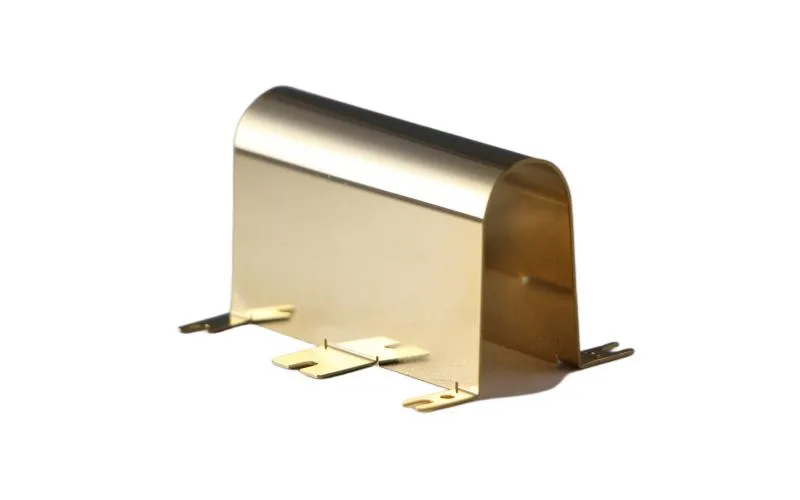
| Electronics | Connectors, PCB contacts, shielding covers | Conductivity, solderability, oxidation resistance |
| Hardware | Hinges, locks, tools | Corrosion protection, improved appearance |
| Machinery | Hydraulic rods, transmission parts, molds | Wear resistance, dimensional repair |
| Consumer Products | Faucet parts, handles, lamps | Decorative finish, fingerprint resistance |
Frequently Asked Questions
1) Which is better: zinc plating, nickel plating, or chrome plating?
There is no single best option. It depends on your actual application.
For screws, brackets, and other cost-sensitive batch parts, zinc plating is often the best choice
If you need both anti-rust performance and a better-looking finish, nickel plating is a common option
If you need a bright decorative effect and a harder surface, chrome plating is often more suitable
2) Will plated parts still rust?
Electroplating improves corrosion resistance significantly, but the protection level depends on the plating type and thickness.
If you tell us how long the part needs to resist corrosion, such as the required salt spray test hours, we can recommend a suitable plating solution.
3) Will electroplating affect threaded holes or tight-fitting areas?
Yes, it may. Electroplating adds thickness, so threaded holes or precision fitting areas may become slightly tighter after plating.
If needed, masking or special treatment can be arranged in advance.
4) Can aluminum parts be electroplated?
Yes, but the process is more complex than plating steel or copper. Aluminum usually requires special pretreatment, so the cost is generally higher.
5) How should electroplating requirements be specified?
You only need to make the following points clear:
What material the part is made from
What the main goal is: anti-rust, wear resistance, conductivity, or appearance
Whether there are any threaded holes or critical fitting areas
Approximate order quantity
Based on this, a suitable plating solution can be selected.
Conclusion
Electroplating is a practical way to give metal parts an additional protective and functional surface layer. Whether your project needs better corrosion resistance, improved wear resistance, stronger conductivity, or a more decorative finish, electroplating can be an effective option.
To get the right result, it is always helpful to confirm the material, function, dimensional concerns, and expected corrosion performance early in the project.