

Previous
Next
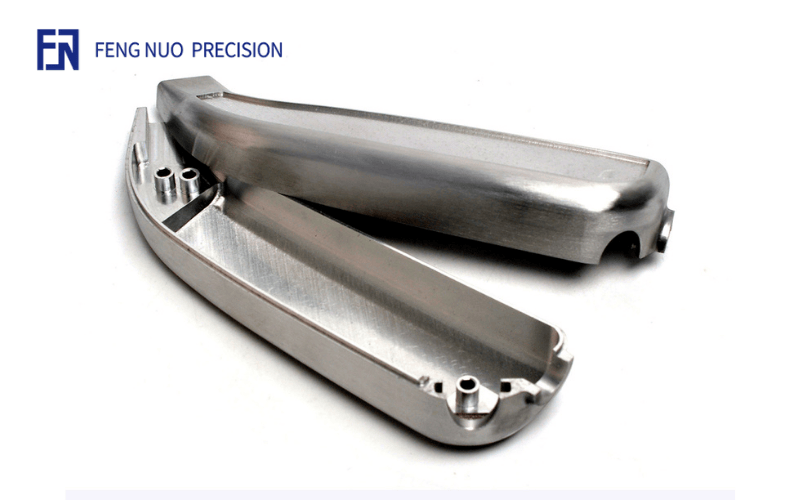
CNC Machined Aluminum Laryngoscope Housings for Medical Devices
In modern clinical environments, reliability, hygiene, and ergonomic performance are essential for medical instruments. Laryngoscopes, widely used in airway management and intubation procedures, require durable and precisely engineered housings that protect internal optical and electronic components while maintaining lightweight handling.
Our CNC machined aluminum laryngoscope housings are designed to meet the strict performance standards of the medical industry. These precision components provide structural protection, dimensional stability, and a high-quality finish suitable for professional healthcare environments.
Unlike general industrial enclosures, medical device housings must integrate seamlessly with optical systems, light sources, batteries, and ergonomic grips. Every dimension must support accurate assembly and safe operation.
Precision CNC Machining for Medical Instrument Housings
Laryngoscope housings often contain:
Internal cavities for electronic modules
Precise alignment channels for optical components
Battery compartments
Mounting threads and locking interfaces
Smooth external contours for ergonomic grip
CNC machining allows us to produce these complex geometries with high repeatability and tight tolerances. Maintaining proper alignment between the optical axis and structural housing is critical for device performance.
Advanced milling techniques ensure accurate pocket depth, uniform wall thickness, and stable assembly features. Surface edges are carefully finished to prevent sharp edges that could compromise safety or user comfort.
Aluminum as an Ideal Material for Medical Housings
Aluminum alloys are widely used in medical device manufacturing due to their lightweight properties, corrosion resistance, and ease of sterilization compatibility. For laryngoscope housings, aluminum offers several advantages:
Reduced device weight for improved handling
High structural rigidity to protect internal components
Excellent machinability for precise detail features
Compatibility with anodized surface finishes
Common aluminum grades used for medical housings include 6061-T6 and other precision-grade alloys suitable for anodizing and medical finishing processes.
Lightweight aluminum construction enhances user control during intubation procedures, improving both comfort and operational precision.
Medical Industry Manufacturing Requirements
Medical device components must be produced under strict quality control systems to ensure reliability and compliance. Our CNC machining processes follow structured quality management principles such as:
ISO 9001 quality management standards
Process documentation and traceability
First Article Inspection (FAI)
Dimensional verification with calibrated equipment
Controlled production workflows
For medical device housings, cosmetic appearance is also important. Uniform surface finishing and consistent anodizing quality contribute to professional presentation and brand image.
In addition to dimensional accuracy, surface cleanliness and burr-free edges are carefully controlled to meet medical safety expectations.
Key Engineering Considerations for Laryngoscope Housings
Manufacturing laryngoscope housings requires attention to both functional and ergonomic factors:
1. Optical Alignment Accuracy
Precise positioning of internal channels ensures proper light transmission and viewing angle.
2. Thread and Locking Interface Precision
Reliable assembly between handle and blade components depends on accurate threading and secure fit.
3. Surface Smoothness and User Comfort
External contours must be smooth and easy to grip while maintaining a professional appearance.
4. Sterilization Compatibility
Material and finishing processes must withstand repeated cleaning and disinfection cycles.
Surface Finishing and Post-Processing
Medical aluminum housings often undergo additional finishing treatments to enhance durability and hygiene:
Clear or colored anodizing for corrosion resistance
Hard anodizing for improved wear resistance
Fine bead blasting for uniform texture
Precision deburring and edge rounding
Laser marking for traceability and branding
Anodized finishes provide improved resistance to corrosion and wear, supporting long-term use in clinical environments.
Other CNC Machined Components for Medical Devices
In addition to laryngoscope housings, CNC machining is widely used in the medical industry for:
Surgical instrument handles
Endoscope structural components
Diagnostic device enclosures
Orthopedic tool components
Medical pump housings
Imaging system brackets
CNC machining supports both prototype development and serial production, enabling flexible response to evolving medical device design requirements.
Commitment to Medical-Grade Manufacturing Precision
Medical device components must combine structural reliability, dimensional precision, and consistent finishing quality. From raw material selection to final inspection, our CNC machining processes are carefully controlled to deliver dependable performance.
With advanced machining centers, experienced technicians, and structured quality control procedures, we provide aluminum laryngoscope housings designed to meet modern medical equipment standards.
Whether for OEM medical device manufacturers or custom instrument development projects, our precision-machined aluminum components support safe, reliable, and high-performance medical solutions.