

Previous
Next
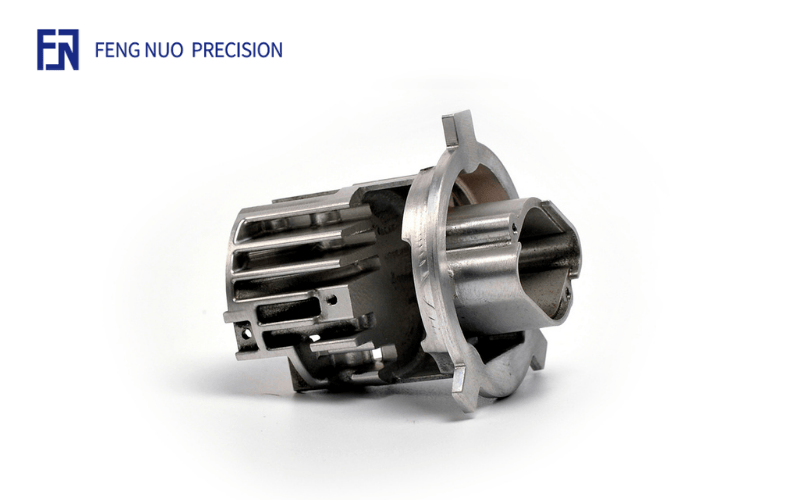
5-Axis CNC Machined Automotive Heat Dissipation Structural Components
As modern vehicles integrate more electronic systems, power modules, and high-performance drivetrains, thermal management has become a critical engineering priority. From electric vehicle (EV) battery systems to inverters, onboard chargers, LED lighting modules, and engine control units (ECUs), efficient heat dissipation directly impacts reliability, safety, and service life.
Our 5-axis CNC machined heat dissipation structural components for the automotive industry are engineered to optimize thermal performance while maintaining mechanical strength and dimensional precision. These aluminum heat sink structures and cooling housings are designed for integration into advanced automotive systems where both thermal conductivity and structural integrity are essential.
The Role of Precision Machining in Automotive Thermal Management
Automotive cooling structures are no longer simple extruded heat sinks. Today’s vehicle systems require:
Complex fin geometries
Integrated liquid cooling channels
Multi-surface mounting interfaces
Sealing grooves for thermal modules
Lightweight structural integration
5-axis CNC machining allows the production of intricate cooling features with high dimensional consistency. Simultaneous multi-directional cutting ensures optimal fin alignment, precise channel geometry, and smooth thermal contact surfaces.
In electric vehicles especially, thermal management components must maintain consistent contact pressure between power modules and cooling structures. Machining precision directly affects heat transfer efficiency.
Materials for Automotive Heat Dissipation Components
Aluminum remains the preferred material for automotive cooling structures due to its high thermal conductivity and lightweight properties. Commonly used materials include:
6061-T6 for structural heat sink components
6063 for optimized thermal extrusion-based structures
High-conductivity aluminum alloys for power electronics cooling
Automotive-grade aluminum for EV battery cooling plates
Material selection is critical in ensuring both thermal performance and mechanical stability. Proper machining strategies prevent distortion of thin cooling fins and maintain flatness across contact surfaces.
Automotive Manufacturing Requirements and Process Control
Thermal components used in automotive systems must comply with strict industry standards to ensure reliability under continuous operation.
Our machining processes align with automotive quality management principles such as:
IATF 16949-based quality systems
Process validation and documentation
PPAP (Production Part Approval Process)
Statistical Process Control (SPC)
Traceable material and batch control
Dimensional inspection includes flatness measurement, fin spacing verification, and sealing groove accuracy checks using CMM and precision metrology tools.
Heat dissipation components often require precise tolerance control on mating surfaces, typically within ±0.02 mm depending on system requirements.
Typical Automotive Heat Dissipation Structures We Manufacture
Our 5-axis machining capability supports the production of various automotive cooling and thermal management parts, including:
EV inverter cooling plates
Battery pack structural heat sinks
Motor controller housings
LED lighting heat dissipation frames
ECU cooling casings
Integrated liquid-cooled aluminum blocks
Power electronics mounting plates
Turbo system heat shields and brackets
Many of these components combine structural and thermal functions. Efficient machining must balance material removal for airflow or liquid flow while preserving mechanical support strength.
Engineering Considerations in Automotive Cooling Structures
Designing and machining automotive heat dissipation parts involves several critical technical factors:
1. Thermal Contact Flatness
Surface flatness directly affects heat transfer between electronic modules and cooling plates. Precision machining ensures optimal surface mating.
2. Fin Geometry Accuracy
Thin fins increase surface area but are prone to deformation during machining. Optimized toolpaths and controlled cutting forces protect structural integrity.
3. Lightweight Optimization
Electric vehicles demand weight reduction to improve energy efficiency. Material removal strategies focus on maintaining structural stiffness while reducing overall mass.
4. Sealing Reliability
For liquid-cooled systems, groove dimensions and sealing surfaces must meet strict tolerances to prevent leakage under pressure.
Surface Treatments and Secondary Operations
Automotive heat dissipation components may undergo additional processing to enhance durability and corrosion resistance:
Anodizing for corrosion protection
Chemical conversion coating for conductivity
Surface polishing for improved thermal interface
Leak testing for liquid cooling systems
Laser marking for part identification
These finishing steps ensure long-term performance under harsh automotive operating conditions.
Other CNC Automotive Components We Produce
In addition to cooling structures, our CNC machining services for the automotive industry include:
Aluminum transmission housings
Stainless steel exhaust components
High-strength steel suspension brackets
Precision shaft components
Structural mounting frames
Sensor and actuator housings
5-axis machining is especially suitable for multifunctional automotive parts requiring complex geometries and high precision.
Commitment to Automotive Thermal Performance
As vehicles become increasingly electrified and electronically controlled, thermal management systems play a decisive role in product reliability. Our 5-axis CNC machining technology enables the production of high-precision aluminum heat dissipation structural components tailored for automotive applications.
With advanced equipment, rigorous quality control procedures, and experience in automotive manufacturing standards, we provide reliable cooling structures designed for durability, efficiency, and consistent production performance.
Whether for EV battery systems, power electronics modules, or engine management assemblies, our precision-machined heat dissipation components support modern automotive innovation.