

Previous
Next
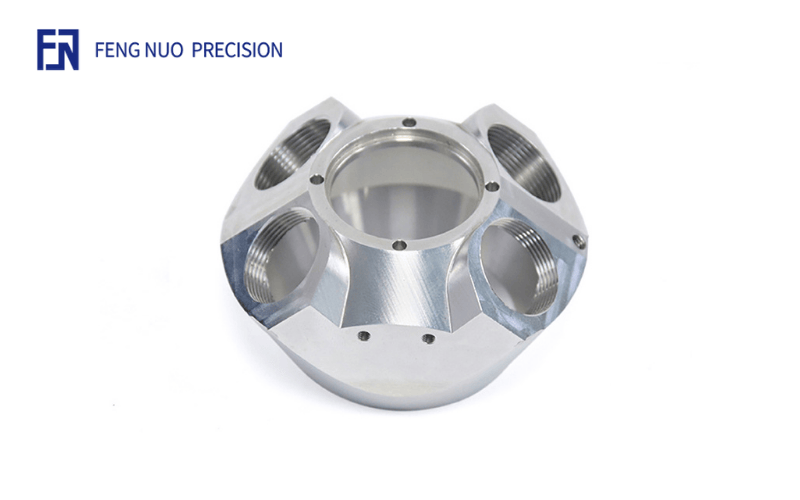
5-Axis CNC Machined Aluminum Aerospace Equipment Structural Components
5-Axis CNC Machined Aluminum Aerospace Equipment Structural Components
Aerospace equipment operates in some of the most demanding environments known to engineering—extreme temperature fluctuations, vibration, pressure variation, and strict weight constraints. Structural components used in aerospace systems must achieve a delicate balance between strength, dimensional stability, and weight reduction.
Our 5-axis CNC machined aluminum aerospace equipment structural components are manufactured to meet the high-precision and reliability requirements of aircraft subsystems, satellite platforms, ground support systems, and advanced aerospace equipment assemblies.
Unlike conventional industrial parts, aerospace structural components are designed not only for mechanical function but also for mission-critical performance. Every gram matters, and every micron of tolerance can influence assembly precision and operational safety.
Advanced 5-Axis Machining for Complex Aerospace Structures
Aerospace equipment structural parts often feature:
Deep pocketing for weight reduction
Multi-angle mounting surfaces
Compound curves and contoured profiles
Precision alignment interfaces
Thin-wall reinforced sections
Complex ribbed internal geometries
5-axis CNC machining allows simultaneous multi-directional cutting, enabling these geometries to be produced efficiently while maintaining superior dimensional accuracy. By reducing the number of setups, we minimize positional deviation between critical features such as bolt holes, bearing seats, and interface surfaces.
This approach is particularly beneficial for aerospace equipment frames and support structures, where alignment accuracy directly affects overall system performance.
Aerospace Aluminum Alloys and Material Selection
Aluminum alloys remain a primary material choice in aerospace structural design due to their lightweight characteristics and mechanical performance. Depending on the application, we commonly machine:
7075-T6 for high-strength structural frames
7050 for fatigue-resistant aerospace structures
2024 for load-bearing aircraft components
6061-T6 for equipment housings and support assemblies
Each alloy requires tailored machining parameters to manage heat generation, residual stress, and dimensional stability. Aerospace-grade materials often undergo strict material certification processes to ensure traceability and compliance with engineering specifications.
Aerospace Manufacturing Guidelines and Quality Control
Aerospace machining follows highly structured quality management systems. Our production practices align with internationally recognized aerospace standards, including:
AS9100 quality management framework
Strict material traceability
First Article Inspection (FAI) documentation
Risk-based process control
Detailed inspection records and compliance documentation
Dimensional accuracy is verified using high-precision CMM equipment, laser measurement systems, and calibrated inspection tools. Geometric tolerances such as flatness, perpendicularity, and concentricity are strictly controlled to meet aerospace assembly requirements.
In aerospace projects, documentation is as critical as machining precision. Inspection reports, material certificates, and process control records are maintained to support customer validation procedures.
Typical Aerospace Equipment Structural Components
Our 5-axis CNC machining capabilities support a wide range of aerospace equipment structures, including:
Satellite structural frames
Avionics mounting platforms
Radar system housings
UAV structural brackets
Aircraft subsystem supports
Equipment rack assemblies
Launch support components
Structural interface plates
Many of these parts incorporate weight-optimized designs with internal lattice-like cavities or reinforcement ribs. High-speed machining combined with rigid fixture design allows precise material removal without compromising structural integrity.
Key Engineering Considerations in Aerospace Structural Machining
Aerospace structural components demand attention to multiple technical factors:
1. Weight Optimization Without Strength Loss
Modern aerospace design focuses heavily on lightweight engineering. Machining strategies must remove excess material while maintaining structural strength and fatigue resistance.
2. Vibration Resistance
Structural components must withstand vibration during flight and launch. Precision machining ensures stable assembly interfaces and consistent load distribution.
3. Thermal Stability
Aerospace equipment may operate in environments with significant temperature variation. Controlled machining processes help reduce internal stress that could cause deformation.
4. Surface Integrity
Surface finish affects fatigue performance. Smooth transitions, precise edge finishing, and controlled surface roughness contribute to long-term durability.
Surface Treatments and Post-Machining Processes
Aerospace aluminum structural components often undergo additional surface processing to enhance performance:
Hard anodizing for wear and corrosion resistance
Chromate conversion coating for conductivity and corrosion protection
Shot peening for fatigue life enhancement
Precision deburring and edge blending
Laser marking for identification and traceability
Surface treatment selection depends on environmental exposure, electrical conductivity requirements, and mechanical stress conditions.
Additional Aerospace CNC Manufacturing Capabilities
Beyond aluminum structural components, aerospace machining commonly involves:
Titanium load-bearing parts
Stainless steel precision components
Lightweight structural panels
High-precision brackets and mounts
Prototype components for aerospace R&D
5-axis machining technology is especially suited for aerospace prototypes and low-to-medium production runs where complexity and precision are paramount.
Commitment to Aerospace-Grade Precision
Aerospace equipment manufacturing leaves no room for compromise. From material procurement to final inspection, every stage of production is controlled under strict quality management systems.
With advanced 5-axis CNC machining centers, experienced aerospace manufacturing expertise, and comprehensive quality verification procedures, we deliver aluminum structural components designed to perform in high-demand aerospace environments.
Whether supporting aircraft systems, satellite platforms, UAV structures, or ground-based aerospace equipment, our machining solutions provide reliability, precision, and consistent performance aligned with aerospace industry standards.