
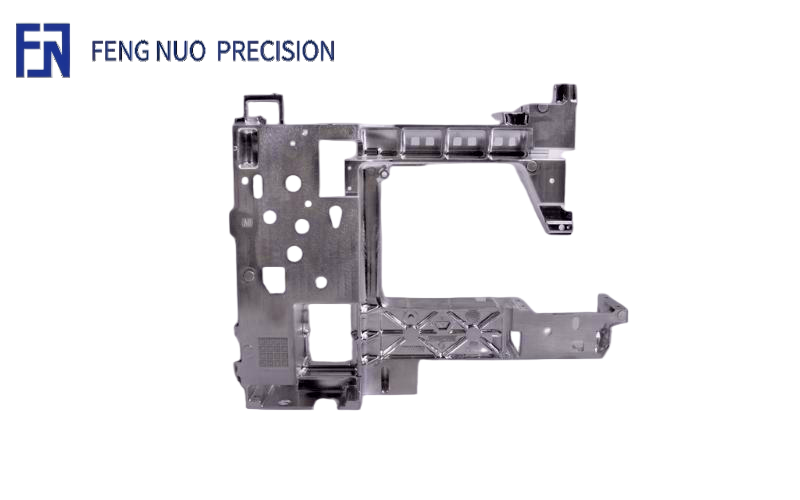
5-Axis CNC Machined Aluminum Inspection Fixture Components for Medical Products
In the medical manufacturing industry, precision inspection is just as critical as product design and production. Medical devices—ranging from surgical instruments and diagnostic equipment to implantable components and infusion systems—must comply with strict dimensional, functional, and regulatory standards. Inspection fixtures (gauges and testing tools) play a key role in verifying part accuracy, assembly alignment, and performance reliability.
Our 5-axis CNC machined aluminum inspection fixture components for medical products are engineered to deliver high dimensional precision, structural stability, and repeatable measurement performance. These components are designed for use in custom medical gauges, assembly verification tools, and quality control fixtures that support regulated medical device production.
Inspection fixtures must maintain geometric integrity over time. Any deviation in fixture accuracy can lead to incorrect measurement results, affecting product compliance and safety.
The Role of Inspection Fixtures in Medical Manufacturing
Medical inspection fixtures are used to verify:
Critical dimensional tolerances
Assembly alignment accuracy
Functional interface positioning
Component fit and compatibility
Surface flatness and geometric relationships
Fixtures are often integrated into production lines or laboratory quality control environments. They must provide stable reference surfaces and consistent clamping alignment.
High precision machining ensures that these fixtures accurately reflect design specifications and measurement standards.
Advantages of 5-Axis CNC Machining for Fixture Components
Medical inspection fixtures frequently feature:
Multi-angle reference planes
Precision locating pins and bore seats
Integrated clamping structures
Complex internal cavities
Tight tolerance alignment surfaces
5-axis CNC machining allows these complex geometries to be produced in a single coordinated setup. This reduces tolerance accumulation and improves positional accuracy between critical reference points.
Simultaneous multi-surface machining ensures perpendicularity, parallelism, and flatness across key measurement interfaces.
Aluminum as an Ideal Material for Medical Fixtures
Aluminum alloys are widely selected for medical inspection fixtures due to their combination of lightweight construction and structural rigidity.
Material advantages include:
High dimensional stability
Reduced weight for ergonomic handling
Excellent machinability for precise features
Corrosion resistance in controlled environments
Compatibility with anodized surface treatments
Common aluminum grades such as 6061-T6 provide sufficient strength while maintaining manageable machining characteristics.
Lightweight fixture components improve ease of use in laboratory and production environments where repetitive handling may occur.
Compliance with Medical Industry Standards
Medical device manufacturing requires strict quality management systems. Inspection fixtures must be manufactured with the same level of process control as the devices they measure.
Our machining processes align with recognized standards including:
ISO 9001 quality management systems
ISO 13485-oriented production practices
First Article Inspection (FAI)
Controlled process documentation
Batch traceability and inspection records
Dimensional verification is performed using coordinate measuring machines (CMM), height gauges, and calibrated measuring instruments.
Inspection fixture components often require tighter tolerance control than standard structural parts to ensure measurement reliability.
Engineering Considerations for Medical Fixture Components
Manufacturing aluminum inspection fixture parts involves attention to several critical technical factors:
1. Reference Surface Flatness
Measurement accuracy depends on stable and flat base surfaces.
2. Positional Accuracy
Locating pins and bore features must align precisely to reflect actual device geometry.
3. Wear Resistance
Repeated use may cause surface wear; proper finishing enhances durability.
4. Structural Stability
Fixtures must maintain dimensional integrity under clamping pressure.
5-axis machining enables accurate reproduction of complex alignment geometries required for medical inspection systems.
Surface Finishing and Post-Processing
Medical inspection fixture components may undergo additional finishing processes to improve durability and usability:
Clear or hard anodizing for wear resistance
Precision deburring and edge rounding
Surface marking or laser engraving
Fine bead blasting for uniform texture
Surface treatments help maintain consistent measurement surfaces and protect against corrosion or oxidation.
Additional CNC Capabilities for Medical Industry
Beyond inspection fixtures, CNC machining in the medical sector commonly includes:
Surgical instrument components
Device housings and structural frames
Pump and fluid system parts
Diagnostic equipment brackets
Custom assembly jigs and testing tools
Prototype components for product validation
5-axis machining is particularly suitable for high-precision tools that require multi-surface accuracy and consistent geometry.
Commitment to Precision in Medical Quality Control
In medical manufacturing, quality verification tools must be as precise as the devices they measure. Our 5-axis CNC machining capabilities, combined with structured quality control systems and detailed inspection processes, enable us to deliver aluminum inspection fixture components tailored to medical industry requirements.
From prototype validation tools to production-grade inspection fixtures, we ensure dimensional accuracy, structural reliability, and repeatable performance.
Whether supporting OEM medical device manufacturers or custom quality control tool developers, our precision-machined aluminum components contribute to reliable and compliant medical production processes.