

Previous
Next
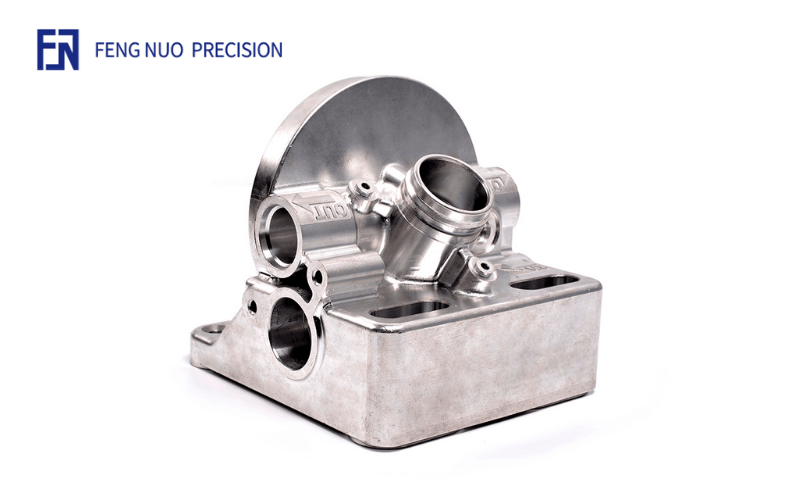
5-Axis CNC Machined Main Bodies for Medical Syringe Pumps
Medical syringe pumps are critical devices in modern healthcare environments, delivering precise and controlled medication dosages to patients in hospitals, emergency units, and intensive care settings. The structural body of a syringe pump is not merely a protective shell—it serves as the mechanical backbone that supports drive mechanisms, control systems, sensors, and user interfaces.
Our 5-axis CNC machined main bodies for medical syringe pumps are engineered to provide structural rigidity, dimensional accuracy, and long-term stability for high-precision medical infusion systems. Designed for reliability and consistency, these aluminum structural components meet the demanding requirements of medical device manufacturers.
Structural Accuracy for Precision Fluid Delivery Systems
Syringe pumps operate based on precise linear motion control. The alignment between lead screws, stepper motors, guide rails, and syringe holders must remain stable throughout continuous operation. Any dimensional deviation in the main body can affect dosage accuracy and device reliability.
5-axis CNC machining enables complex geometry production with superior positional accuracy. This technology allows us to machine:
Multi-surface mounting platforms
Integrated structural cavities
Guide rail interfaces
Motor mounting seats
Internal reinforcement ribs
Assembly alignment features
By completing machining operations in fewer setups, we improve dimensional consistency across critical reference surfaces. This ensures accurate alignment between mechanical transmission components and electronic modules.
Aluminum as a Core Material for Medical Device Structures
Aluminum alloys are commonly used in syringe pump bodies due to their combination of lightweight characteristics, strength, and excellent machinability.
Benefits of aluminum for medical infusion systems include:
Reduced device weight for portability
High rigidity for stable mechanical alignment
Resistance to corrosion in clinical environments
Compatibility with precision surface finishing processes
Materials such as 6061-T6 are widely selected for medical device structures because they provide a balance between mechanical strength and manufacturability.
Lightweight construction is especially important for portable infusion pumps used in ambulatory care settings.
Medical Manufacturing Standards and Process Control
Medical device production demands strict quality management and documentation. Our machining operations are structured to align with medical industry manufacturing expectations, including:
ISO 9001 quality management systems
ISO 13485-oriented production principles
Full batch traceability
First Article Inspection validation
Controlled process documentation
Dimensional verification is conducted using precision CMM systems, digital measurement tools, and surface roughness testers. Critical features such as rail alignment surfaces, bearing seats, and mounting hole patterns are carefully inspected.
Medical syringe pump structures often require tight tolerances to maintain smooth linear motion and prevent vibration during operation.
Engineering Considerations in Syringe Pump Body Machining
Manufacturing structural bodies for syringe pumps involves careful control of several technical factors:
1. Mechanical Alignment Precision
The accuracy of linear drive systems depends on parallelism and perpendicularity between mounting surfaces.
2. Surface Quality and Finish
Internal guide surfaces require controlled roughness to reduce friction and wear.
3. Structural Rigidity
Thin-wall aluminum structures must maintain dimensional stability without deformation during machining.
4. Assembly Integration
Housing components must integrate precisely with plastic covers, control panels, and electronic assemblies.
5-axis machining allows optimized tool access for internal cavities while preserving consistent wall thickness and geometric integrity.
Surface Finishing and Post-Processing Options
Medical syringe pump main bodies may undergo additional finishing processes to enhance performance and appearance:
Clear anodizing for corrosion resistance
Hard anodizing for wear protection
Fine surface blasting for uniform texture
Precision deburring and edge rounding
Laser marking for traceability
Surface treatments are selected to ensure durability under repeated cleaning and sterilization protocols commonly used in healthcare environments.
Additional CNC Components for Medical Infusion Systems
In addition to syringe pump main bodies, CNC machining is widely applied to:
Infusion pump brackets
Motor mounting blocks
Precision guide components
Medical device structural frames
Aluminum housings for monitoring equipment
Laboratory instrument chassis
CNC machining supports both early-stage prototype validation and controlled batch production for medical device manufacturers.
Quality and Reliability in Medical Device Manufacturing
In healthcare applications, structural reliability directly impacts patient safety. The main body of a syringe pump must provide stable support for mechanical motion systems while maintaining dimensional integrity over long service cycles.
Our 5-axis CNC machining capabilities, combined with structured quality control systems and experienced engineering support, enable the production of aluminum syringe pump structural bodies that meet medical device performance requirements.
From material selection to final inspection, every stage of production is carefully monitored to ensure consistent quality, repeatability, and compliance with medical industry standards.
Whether supporting OEM medical equipment manufacturers or custom infusion system developers, our precision-machined aluminum components contribute to safe and reliable fluid delivery solutions in modern healthcare environments.