

Previous
Next
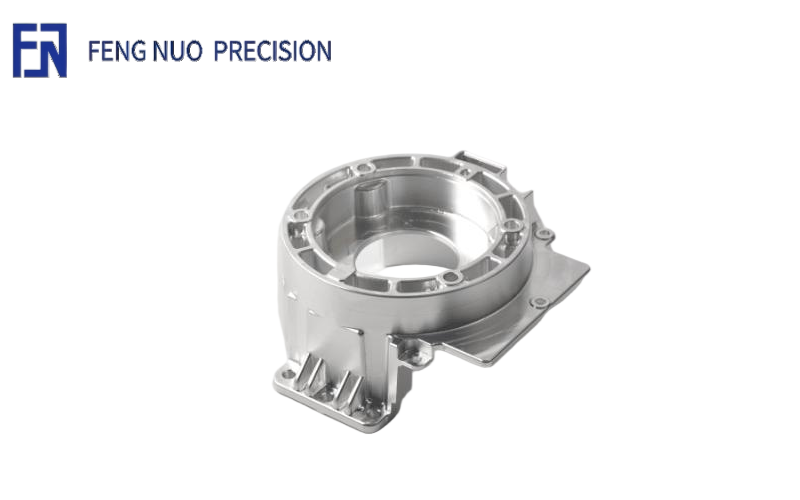
5-Axis CNC Machined Aluminum Structural Parts for Aerospace Industry
5-Axis CNC Machined Aluminum Structural Parts for Aerospace Applications
In the aerospace industry, precision is not a feature — it is a requirement. Every structural component must meet strict dimensional tolerances, weight optimization targets, and long-term reliability standards. Our 5-axis CNC machined aluminum structural parts are engineered specifically for aerospace applications where accuracy, strength-to-weight ratio, and consistency are critical.
Why 5-Axis CNC Machining for Aerospace?
Aerospace structural parts often involve complex geometries, multi-angle surfaces, deep cavities, and intricate contours. Traditional 3-axis machining frequently requires multiple setups, which increases positioning errors and reduces efficiency.
With advanced 5-axis CNC machining, we are able to:
Complete complex geometries in a single setup
Improve positional accuracy and reduce tolerance stack-up
Achieve superior surface finish quality
Maintain consistent dimensional precision
Shorten production cycles
For aerospace aluminum components, maintaining tight tolerances such as ±0.01 mm or better is often necessary. Our multi-axis machining centers ensure stability and repeatability even in complex structural configurations.
Aerospace Aluminum Materials We Commonly Machine
Aluminum alloys are widely used in aerospace due to their excellent strength-to-weight ratio, corrosion resistance, and machinability. Common materials include:
6061-T6 – General structural applications
7075-T6 – High-strength structural components
2024 – Fatigue-resistant aircraft structural parts
7050 – High-performance aerospace-grade alloy
Each material requires optimized cutting parameters, tool path strategies, and thermal control to prevent deformation and ensure dimensional stability.
Aerospace Machining Standards and Guidelines
The aerospace industry follows strict quality and manufacturing standards to guarantee safety and reliability. In our production process, we align with globally recognized aerospace practices and quality systems such as:
AS9100 quality management framework
ISO 9001 process control
Material traceability documentation
First Article Inspection (FAI) procedures
Statistical Process Control (SPC)
Dimensional inspection is conducted using CMM (Coordinate Measuring Machines) and high-precision metrology equipment. Every structural component is verified to meet engineering drawings and tolerance requirements before delivery.
Surface integrity is also critical. Aerospace aluminum components often require:
Anodizing (Type II / Type III hard anodizing)
Chemical film (Alodine) for conductivity and corrosion resistance
Shot peening for fatigue life improvement
Precision deburring and edge conditioning
Typical Aerospace Structural Components We Manufacture
Our 5-axis CNC capabilities allow us to produce a wide range of aerospace aluminum structural parts, including:
Aircraft brackets and mounting supports
Structural frames and housings
Satellite structural components
UAV (unmanned aerial vehicle) frame parts
Engine support structures
Aerospace instrumentation housings
Many of these components require weight reduction pockets, ribbed reinforcements, and thin-wall structures while maintaining mechanical strength. Advanced tool path optimization helps minimize stress concentration and maintain structural integrity.
Machining Considerations in Aerospace Applications
Aerospace structural parts differ significantly from general industrial components. Key machining considerations include:
1. Dimensional Stability
Thin-wall aluminum structures are prone to deformation during machining. We use optimized clamping strategies and controlled cutting forces to maintain part geometry.
2. Thermal Control
Heat generation during machining can cause micro-deformation. High-speed machining with proper coolant strategies reduces thermal distortion.
3. Surface Finish Requirements
Critical mating surfaces often require Ra 0.8 µm or better to ensure proper assembly and load distribution.
4. Traceability and Documentation
Material certification, heat treatment records, and inspection reports are maintained for each production batch.
Beyond Structural Parts: Other Aerospace CNC Products
In addition to aluminum structural components, aerospace CNC machining often includes:
Titanium structural parts
Stainless steel fasteners and connectors
Composite interface components
Precision aerospace fixtures
Prototype components for testing and validation
Each material requires specialized cutting tools, machining parameters, and quality verification procedures.
Our Commitment to Aerospace Precision
Aerospace manufacturing demands zero compromise. From raw material procurement to final inspection, every stage of our process is controlled and documented.
With advanced 5-axis CNC machining technology, experienced engineering teams, and strict quality control procedures, we provide aerospace customers with structural aluminum components that meet high-performance standards for safety, reliability, and durability.
Whether for aircraft assemblies, UAV platforms, satellite systems, or aerospace research projects, our precision-machined aluminum structural parts are designed to perform under demanding conditions.
If you are developing aerospace structural systems and require high-precision aluminum machining solutions, we are ready to support your project with engineering expertise and production reliability.