CNC Machining Explained in 3 Minutes — Straight Talk from a Factory Engineer
Hi, I’m Jake. I’ve worked in a CNC machining factory for more than ten years.
One of the most common questions I hear from buyers is:
“What exactly is CNC machining, and how is it different from traditional machining?”
Today, let’s explain it in plain language—and more importantly, talk about what buyers should really pay attention to when sourcing CNC machining.

1. CNC Machining Is Basically “Robotic Carving”
You can think of CNC machining as robotic carving with extreme precision.
You provide a drawing or CAD file, and the CNC machine follows computer instructions to “carve” the desired shape from a block of metal or plastic. Accuracy can reach 0.02 mm, about one-seventh the thickness of a human hair.
Traditional machining relies heavily on manual skill and experience.
CNC machining relies on computer programming.
The biggest advantage?
If you make 100 parts, all 100 parts are nearly identical. This makes CNC machining especially suitable for batch production and precision components.

2. Three Common CNC Machining Processes Buyers Should Know
2.1 CNC Milling — “The Sculptor at Work”
CNC milling removes material using a rotating cutting tool, similar to carving wood.
It is ideal for parts with complex shapes, such as: Housings、Brackets、Enclosures、Molds。
If a part has multiple faces, pockets, or complex geometry, CNC milling is usually the right choice.
2.2 CNC Turning — “Pottery on a Wheel”
In CNC turning, the material rotates while the cutting tool remains stationary.
This process is best suited for round or cylindrical parts, such as: Shafts、Bolts、Bushings、Sleeves
If the part is symmetrical around a central axis, CNC turning is often more efficient and cost-effective.
2.3 CNC Machining Centers — “The All-Rounder”
CNC machining centers can perform multiple operations in one setup and automatically change tools.
They are ideal for complex precision parts that require multiple processes.
The trade-off?
They are more expensive—but often worth it for high-precision components.
3. What Buyers Should Pay Attention to (Avoid Common Pitfalls)
3.1 Check the Factory’s Equipment First
Just like a chef needs the right cookware, a factory needs the right machines.
Small parts (phone-sized): look for small CNC machines
Large parts (automotive-sized): long-travel machines are required
Ultra-precision parts (medical components): ask about achievable tolerances
Our approach is simple:
When customers visit, we show the machines first.
Whether a factory is suitable is best judged by what you can actually see.
3.2 Material Is Not “The More Expensive, The Better”
If you’re making a fixture or jig, ordinary carbon steel may be perfectly sufficient.
There is often no need to upgrade to stainless steel.
The key questions we ask are:
Is the part temporary or long-term?
Does it carry load?
Is corrosion resistance required?
Answering these questions helps select the right material, not the most expensive one—and avoids unnecessary cost.
3.3 Don’t Be Blinded by a Low Price
An unusually low quote often means something is missing:
Worn cutting tools (poor surface finish)
Skipped processes (such as heat treatment)
Minimal or symbolic inspection
A reliable approach is to ask for a cost breakdown:
Material cost
Machining cost
Surface finishing cost
Transparent quotations usually indicate a trustworthy supplier.
3.4 Always Make Prototypes — Even If You’re in a Hurry
This cannot be emphasized enough.
We’ve seen customers skip prototyping and go straight to production.
The result?
Wrong dimensions → 500 parts scrapped
Assembly failure → redesign required
Wrong material → parts fail after one month of use
Our standard recommendation:
“Let’s make 3–5 samples first, verify everything, then proceed to mass production.
We can prepare materials in parallel, so overall lead time is not delayed.”
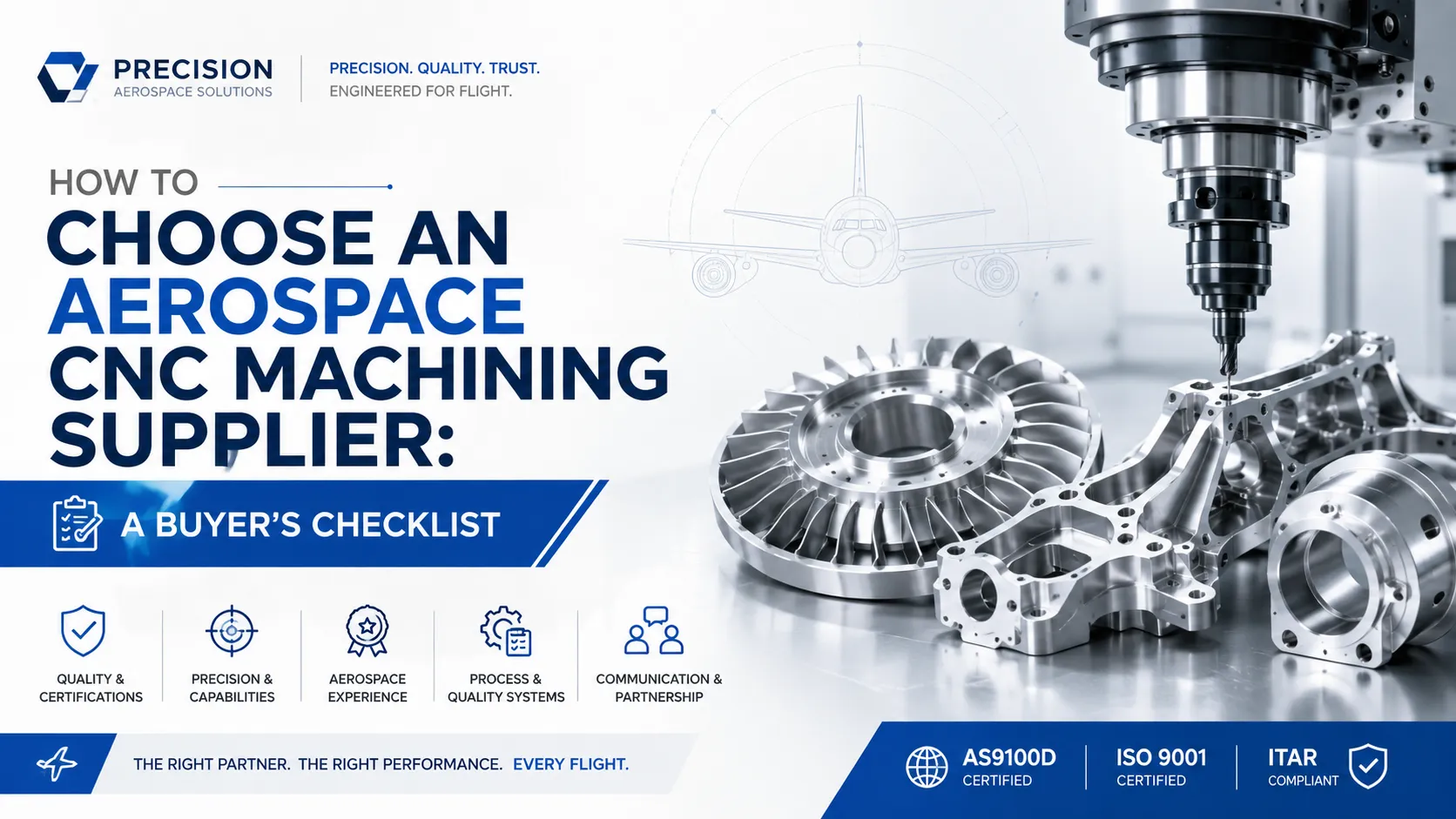
4. How to Tell If a CNC Factory Is Reliable
Look at the details:
Is the workshop clean? (management level)
Are measuring tools calibrated? (quality awareness)
Do operators work in an organized way? (professionalism)
Observe communication:
Do they ask about part application?
Do they suggest design or process improvements?
Are lead times realistic or vague?
These details reveal far more than a polished website.
5. A Small Secret: Good Factories Like “Demanding” Customers
This is true.
We actually prefer customers who:
Ask many questions
Have clear requirements
Care about details
Why?
Communication is clearer
Mistakes are less likely
Successful projects lead to long-term cooperation
Final Thoughts
CNC machining may sound complex, but at its core, it is simply a way to turn your design into a physical part using precision equipment.
Choosing a CNC supplier is like choosing a partner:
You understand your product requirements
The factory understands machines and processes
Only when both sides communicate well can good products be made—efficiently and economically.
If you are considering CNC machining, talk to several factories.
Don’t focus only on price. Look at equipment, experience, and whether they offer practical suggestions.
A good factory doesn’t just say “We can do it.”
A great factory tells you “Here’s how to do it better and more efficiently.”
We’ve been in this industry for many years and have worked with all kinds of customers.
Even if you’re just in the early discussion stage, feel free to reach out.
Before you place an order, we’d rather be your trusted technical advisor first.