As smart lighting systems grow in demand, key headlight structural parts are turning to CNC machining to meet lightweight and precision requirements.
1. Background
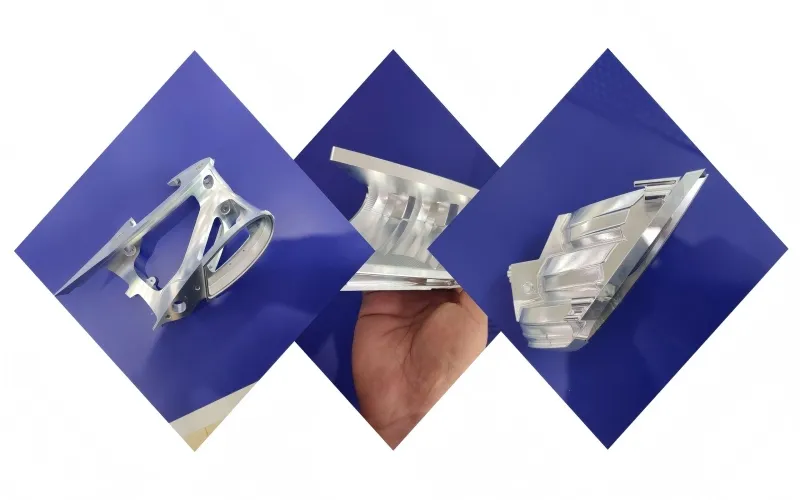
In modern automotive lighting, beyond advances in LED, laser, and adaptive beam technologies, the mechanical structural components of headlights—such as heat-dissipation brackets, reflector mounts, and aluminum housings—are increasingly critical.
These components affect heat management, beam stability, and reliability.
Computer Numerical Control (CNC) machining, with its high precision, multi-axis flexibility, and batch consistency, is rapidly becoming the mainstream method for producing headlight structural parts.
2. Why Headlight Parts Are Moving to CNC Machining
Increased Precision Requirements
With adaptive lighting, laser projection, and stepper-motor beam adjustment integrated into headlights, internal components demand tighter tolerances, flatness, and reference surface positioning. CNC machining enables single-setup operations,
reducing runout and ensuring assembly accuracy.
Lightweight Materials Adoption
Aluminum and magnesium alloys are widely used for lightweight housings. CNC multi-axis machining allows thinner walls and complex geometries, outperforming traditional casting or stamping.
Flexible Production Needs
Shortened design cycles, rapid iterations, and customized versions require agility. CNC machining supports both prototyping and small- to medium-batch production.
Quality and Reliability StandardsHeadlights are safety-critical. CNC machining ensures consistent quality, traceability, and robustness against vibration, thermal cycling, and long-term use.
3. Market Trends & Opportunities
Global automotive headlight aiming control components are projected to grow at a CAGR of ~6% from 2025 to 2033. This trend indicates strong demand for high-precision headlight components in the coming years. CNC-capable suppliers are well-positioned to capture this growth.
4. Recommendations for Component Manufacturers
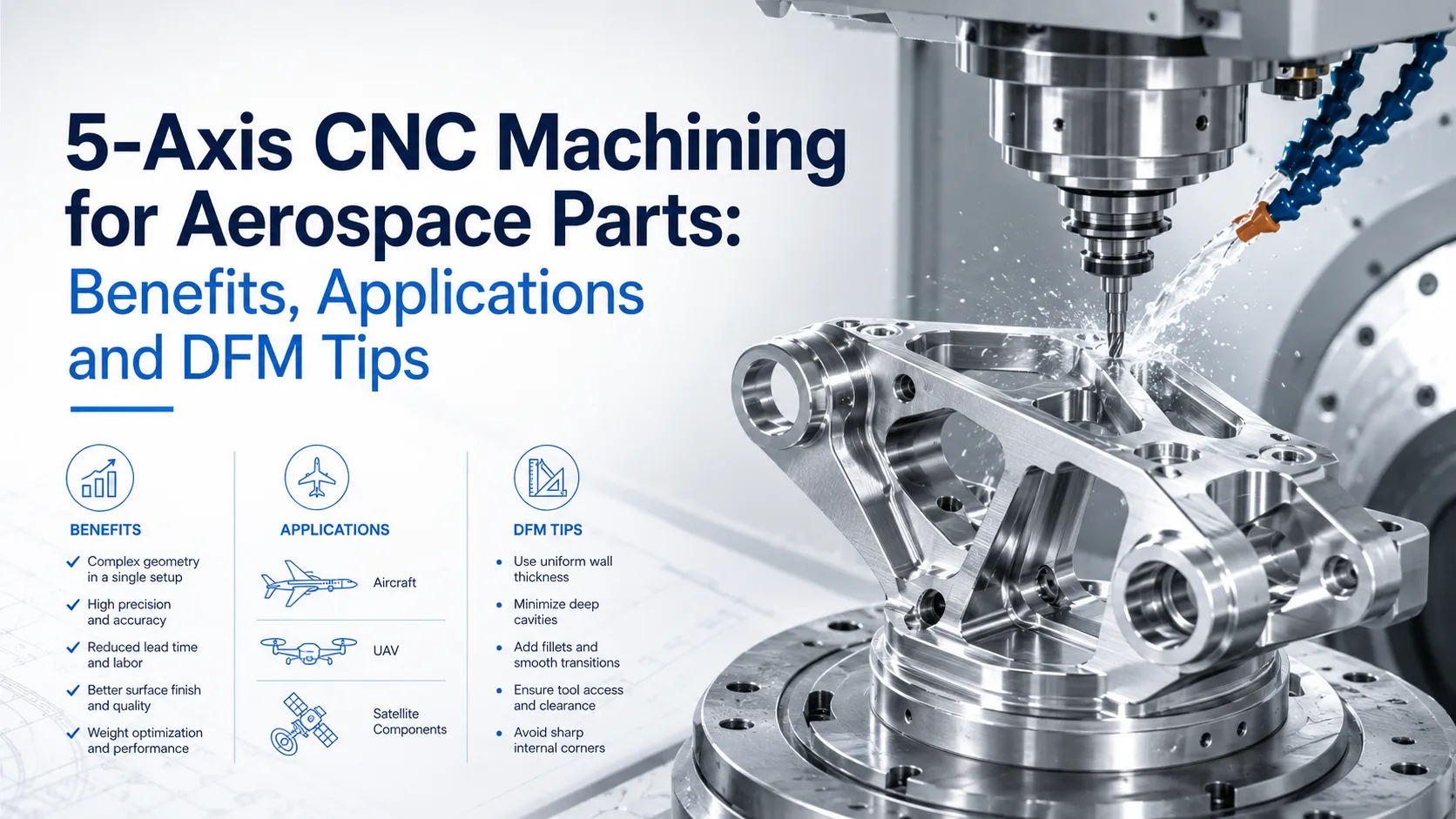
Invest in multi-axis CNC machines: 4- or 5-axis machining centers optimize complex geometries and reduce setups.
Enhance light-alloy machining expertise: Aluminum and magnesium require specialized cutting, cooling, and process control.
Implement quality management and traceability systems: ISO/TS, VDA 6.x certifications build customer trust.
Offer prototyping and small-batch production: Speed and flexibility are key in headlight module development.
Collaborate with lighting system suppliers: Engage with companies like Koito Manufacturing or Magneti Marelli to provide CNC-machined structural components.
5. Conclusion
As automotive lighting technologies evolve, the demand for lightweight, precise, and reliable headlight structural components continues to rise. For CNC machining specialists, focusing on headlight parts offers significant growth opportunities.
Understanding market trends and positioning services accordingly can become a strategic advantage in the automotive supply chain.