How to Reduce CNC Machining Costs Without Sacrificing Quality
The Right Way to Achieve Both Cost Reduction and Quality Assurance
Hi, I’m Jake.
Today we’re talking about one of the most important questions for every procurement professional:
How can you reduce CNC machining costs without sacrificing quality?
The moment people hear “cost reduction,” alarm bells usually ring:
“Does that mean cutting corners?”
“Will inspection be relaxed?”
Let me be very clear—real cost reduction is not a zero-sum game.
The right approach is not about lowering standards, but about optimizing design, process, and collaboration so both sides win.
Strategy 1: Remove Cost at the Design Stage (The Most Effective Lever)
Many machining costs are already locked in the moment a drawing is finalized.
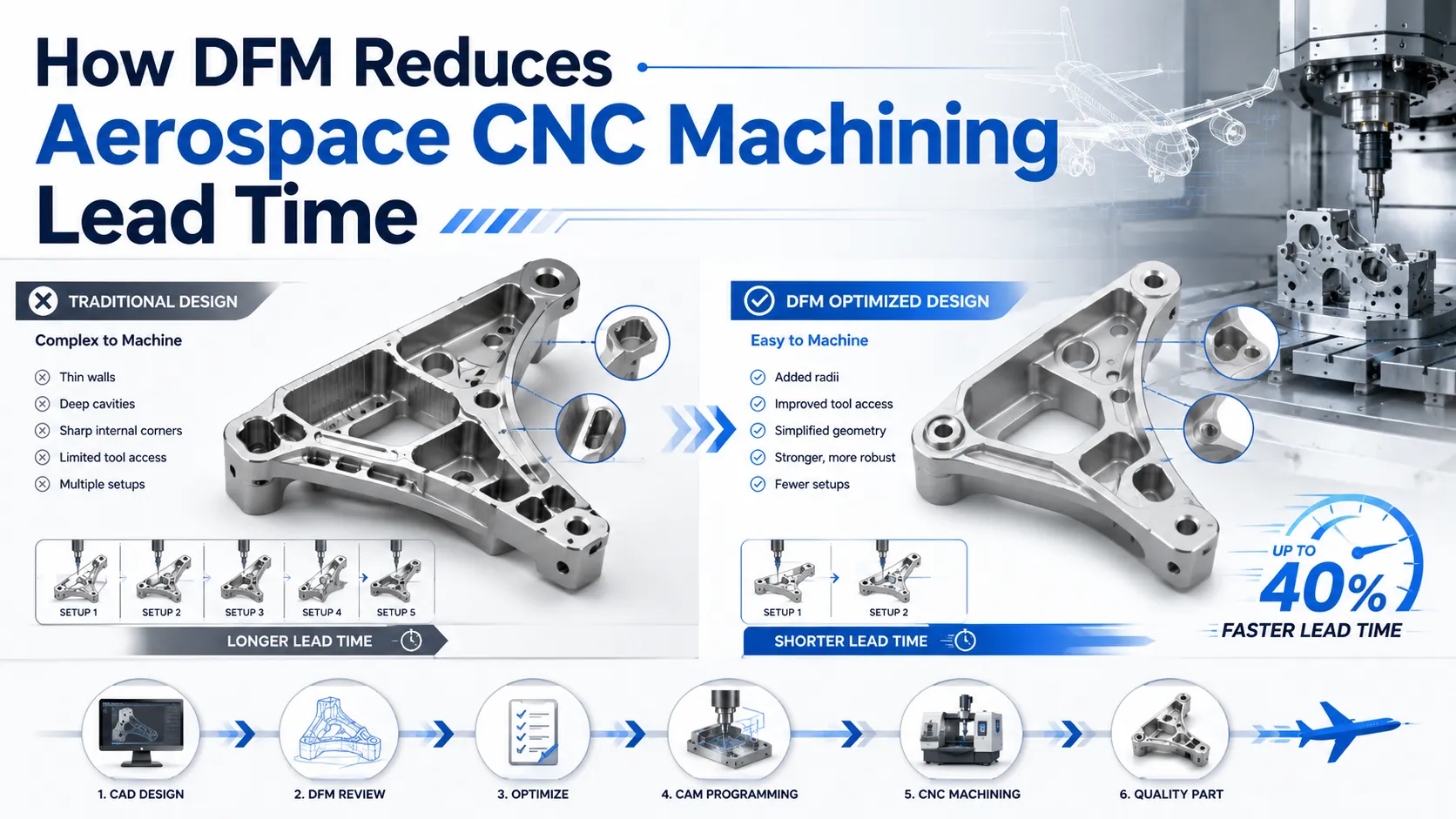
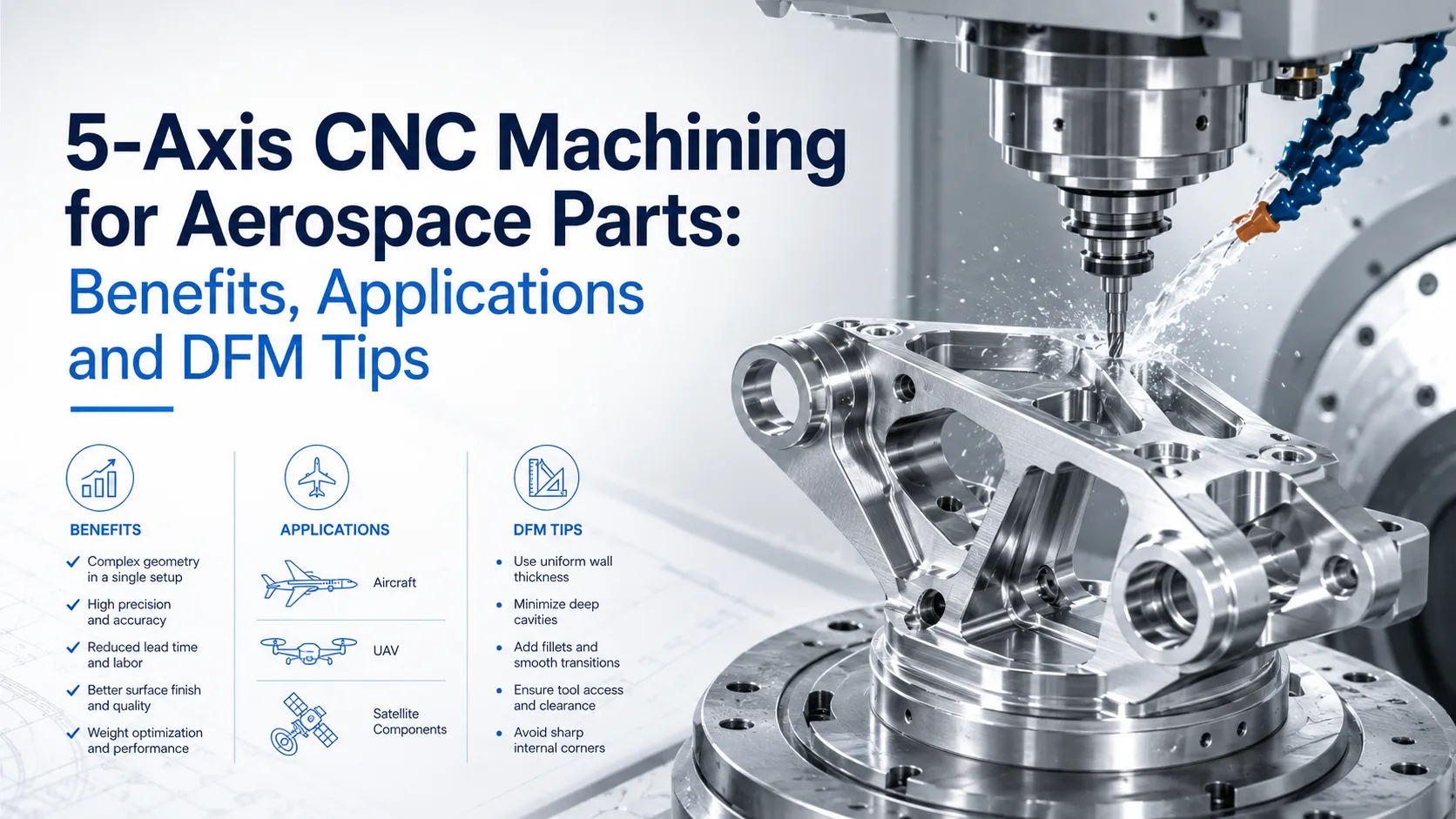
Good Design for Manufacturability (DFM) can unlock significant savings.
Case 1: Turn “Over-Precision” into “Fit-for-Purpose”
A non-critical surface is specified at ±0.02 mm, but assembly only requires ±0.05 mm.
This small adjustment may:
Eliminate the need for ultra-precision machines
Reduce repeated measurements
Cut machining cost by 30% or more
Our approach is to help customers distinguish critical features from general features, applying tight tolerances only where they truly matter.
Case 2: Make Life Easier for the Cutting Tool
Perfect internal sharp corners cannot be milled directly. They require EDM or manual corner finishing—slow and expensive.
If the design allows even a small process radius (e.g., R0.5), the feature can be milled efficiently in one pass, dramatically reducing cost.
Case 3: Design for Stability, Not Fragility
Very thin walls, long slender features, and deformation-prone geometries force conservative cutting parameters, extra supports, and lower yields.
A slight increase in wall thickness or the addition of a rib can significantly improve machining stability, throughput, and yield—without affecting function.
Our role:
We are always happy to participate early in the design stage. One hour of DFM discussion can save hundreds of machining hours later.
Strategy 2: Optimize the Machining Process (The Factory’s Real Expertise)
This is where a supplier’s true engineering capability shows—and where buyers should look beyond unit price.
Smarter Fixturing: Eliminate Non-Value-Added Time
Well-designed fixtures allow multiple faces to be machined in a single setup, reducing:
Re-clamping time
Positioning errors
Labor cost
For batch production, fixture cost per part becomes negligible while efficiency and consistency improve significantly.
Parameter Optimization: Find the “Sweet Spot”
Cost reduction does not mean simply cutting faster.
Our process engineers use simulation and testing to find the optimal balance between:
Material removal rate
Tool life
Surface quality
The goal is to maximize effective cutting time without accelerating tool wear or degrading quality.
Batch Optimization: Use Scale to Your Advantage
When multiple parts share similar materials and thicknesses, we optimize nesting layouts on large plates.
This can improve material utilization from 60% to over 85%, directly lowering raw material cost.
Strategy 3: Deepen Collaboration to Unlock Long-Term Savings
The most sustainable cost reduction comes from trust-based partnerships, not one-off transactions.
From Spot Orders to Long-Term Agreements
Stable, recurring orders allow us to:
Pre-purchase raw materials
Invest in dedicated fixtures
Lock in optimized processes
These investments don’t make sense for one-time jobs—but in long-term cooperation, they continuously reduce cost and are passed back to you.
Transparency Reduces “Game Costs”
Open discussions about real cost structures and target pricing eliminate guesswork.
When we understand your cost pressure, we can propose:
Process improvements
Alternative materials
Design optimizations
This reduces communication friction, trial-and-error, and hidden costs on both sides.
Practical Actions You Can Take as a Buyer
To reduce cost without risking quality, consider these steps:
Invite suppliers into early design reviews, even at the 3D model stage.
Use annual or quarterly framework agreements to exchange stable demand for deeper optimization and better pricing.
Build data-based quality trust:
Request SPC and process capability reports for key dimensions.
When you see stable CPK > 1.67, you can confidently shift from costly 100% inspection to statistical sampling—saving inspection cost without increasing risk.
Our Philosophy
At our factory, we believe:
Quality is designed in
Cost is optimized out
Trust is built through collaboration
True cost reduction is a joint efficiency journey—never one that increases your risk. Every dollar saved should come from smarter engineering, not weaker control.
I hope this perspective opens a new door for you. Cost reduction is not simple subtraction—it’s a shared optimization challenge.
I’m Jake, always ready to apply our machining expertise to help you achieve lower cost, stable quality, and long-term confidence.