Why Your CNC Quote Is Higher in 2026 — Tooling Costs and Capacity Constraints
Introduction
If you have been sourcing CNC machined parts recently, you may have noticed that quotes are higher than before, even for similar designs. In many cases, lead times are also more difficult to confirm.
This is not caused by a single factor. In 2026, two changes are becoming more relevant across the industry: rising tooling costs and tighter access to stable production capacity.
Tooling Costs Are Becoming a Larger Part of Machining Cost
In CNC machining, cutting tools have traditionally been considered a secondary cost. However, this is changing.
Upstream material prices for tungsten and carbide have increased significantly. According to Reuters, ammonium paratungstate (APT), a key intermediate for tungsten products, reached around $1,125–1,150 per metric ton unit in early 2026, close to historical highs due to supply constraints and export controls.
At the same time, industry data shows that tungsten powder prices in China exceeded RMB 1,800/kg, with increases of over 60% within a short period. These changes directly affect the cost of carbide materials used in end mills, drills, and inserts.
Impact on Machining
Cutting tools are consumables. Their cost depends on how quickly they wear during machining.
Parts that typically result in higher tool consumption include:
Components with deep cavities
Thin-wall structures
Harder materials such as stainless steel or titanium
High-precision parts requiring stable cutting conditions
In these cases, increased tool wear leads to more frequent tool replacement and reduced machining efficiency, both of which contribute to higher overall cost.
Demand Recovery Is Tightening Access to Reliable Capacity
Another factor is related to production capacity.
Manufacturing demand has shown signs of recovery, while supply processes remain under pressure. Data from the National Bureau of Statistics of China indicates that the manufacturing Purchasing Managers’ Index (PMI) in March 2026 showed:
New orders index: 51.6%
Production index: 51.4%
Supplier delivery time index: 49.5%
This suggests that demand is recovering slightly faster than production, while delivery times are still relatively slow.
Practical Effects for Buyers
For buyers, this change is reflected in several ways:
Suppliers with consistent quality and delivery performance tend to have tighter schedules
Expedited orders require adjustments to existing production plans
Lead time has become a more important variable in pricing
In practice, this means that the same part may be quoted differently depending on required delivery time and current production load.
Why Identical Designs May Receive Higher Quotes
A common question from buyers is why the same part may now receive a higher quotation.
In most cases, this is not due to arbitrary price changes, but the combined effect of:
Increased tooling consumption cost
Higher scheduling and production management cost
The impact is more noticeable in projects involving complex geometries, tight tolerances, small batch sizes, or urgent delivery requirements.
How Cost Can Still Be Controlled
Although overall costs are increasing, there are still practical ways to manage them.
Design Considerations
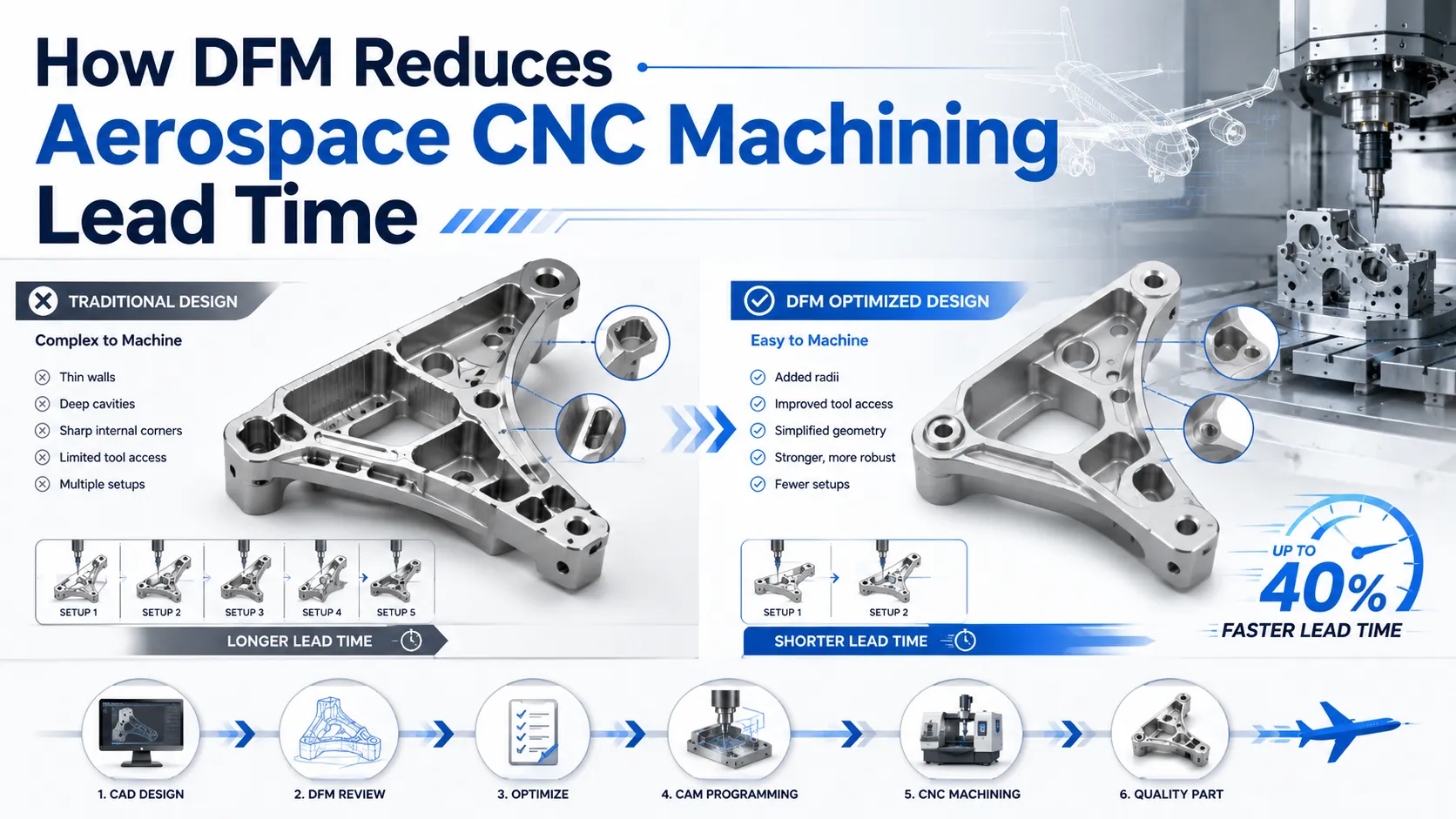
Reducing unnecessary complexity in part design can significantly lower tool wear and machining time. Features such as deep cavities, sharp internal corners, and extremely thin walls should be reviewed where possible.
Tolerance Strategy
Applying tight tolerances only where functionally required helps avoid unnecessary machining difficulty and tool consumption.
Production Planning
Planning production in advance reduces the need for expedited scheduling. For ongoing projects, batch planning on a monthly or quarterly basis can improve cost efficiency.
Early Engineering Review
Working with a supplier to review the design before production can help identify areas with high tool consumption or inefficient machining strategy.
Conclusion
Higher CNC machining quotes in 2026 are primarily influenced by two factors: increased tooling cost and tighter access to reliable production capacity.
These changes do not affect all parts equally. Their impact depends on design complexity, material, tolerance requirements, and delivery expectations.
Cost Review
If you would like to evaluate potential cost reductions, you can share your drawings for review.
We can provide feedback based on tooling consumption and production planning, along with practical suggestions for cost optimization
Upload your CAD file — we will review it as quickly as possible.