
CNC Machining Bronze: Alloy Selection, Applications, Cost & Design Guide
CNC Machining Bronze: How to Choose the Right Alloy for Custom Parts
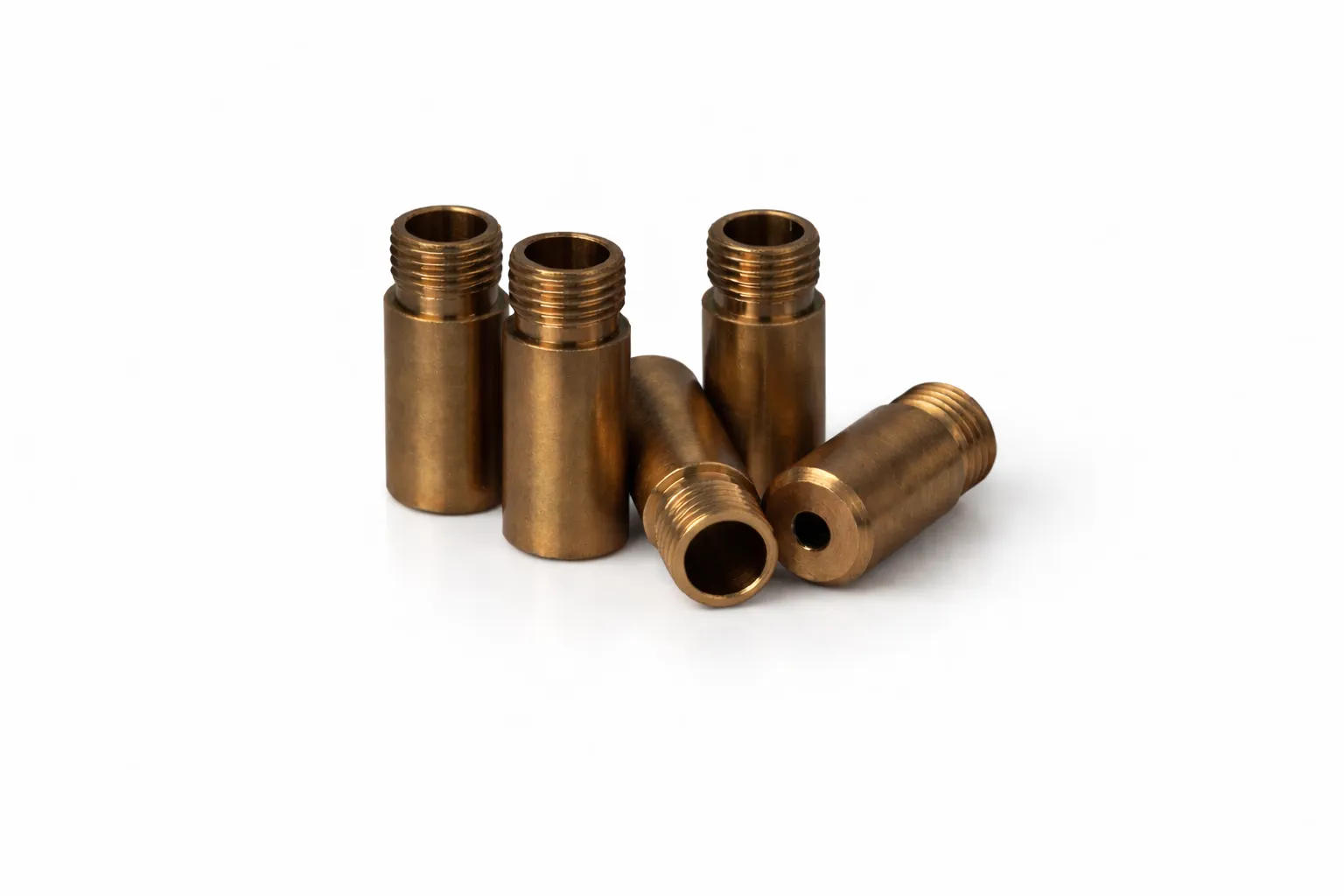
Bronze is widely used in CNC machining for parts that require low friction, wear resistance, and long-term reliability. However, not every bronze alloy fits every application.
If you are sourcing custom bronze parts, the key questions are not just whether bronze can be machined, but which alloy to choose, how it compares to other materials, and what factors affect cost and performance.
Is Bronze Good for CNC Machining?
Yes — bronze is well-suited for CNC machining and can achieve stable tolerances and surface finishes.
It is especially effective for:
Bearings and bushings
Wear-resistant components
Marine and corrosion-exposed parts
However, bronze is typically more expensive than aluminum or standard steel. It is best used when its functional advantages justify the cost.
Why Bronze Is Used in CNC Machining
Low Friction and Wear Resistance
Bronze is commonly used in parts that slide or rotate against other surfaces. It helps reduce friction and extend service life.
Good Corrosion Resistance
Many bronze alloys perform well in humid, marine, or chemically exposed environments.
Reliable Performance Under Load
Compared to softer materials, bronze maintains stability in demanding mechanical conditions.
Common Bronze Alloys for CNC Machining
Choosing the right alloy is critical. Below is a simplified selection guide:
| Alloy | Best For | Main Advantage | Considerations |
|---|---|---|---|
| C932 (Bearing Bronze) | Bushings, bearings | Good machinability, widely used | Moderate strength |
| C954 (Aluminum Bronze) | Marine parts, heavy-duty wear parts | High strength, excellent wear resistance | Higher cost, more difficult to machine |
| Phosphor Bronze | Electrical components, springs | Good fatigue and corrosion resistance | More application-specific |
👉 If you are unsure, start from the application and working condition, not just the material name.
Bronze vs Brass vs Stainless Steel
Material selection often comes down to trade-offs:
| Material | Best Use | Cost Level | Wear Resistance | Corrosion Resistance |
|---|---|---|---|---|
| Bronze | Bearings, bushings, wear parts | High | Strong | Strong |
| Brass | Fittings, easy-machining parts | Medium | Moderate | Moderate |
| Stainless Steel | Structural parts, corrosion-critical use | Medium–High | Moderate | Strong |
Quick takeaway:
Choose bronze for wear and friction performance
Choose brass for cost and machinability
Choose stainless steel for structural strength
Typical Applications of CNC Machined Bronze Parts
Bronze is typically used for functional components rather than decorative parts.
Common examples include:
Bushings and bearings
Wear plates
Gears and sleeves
Marine components
Pump and valve parts
Electrical contact parts
These parts benefit from bronze’s durability and friction performance.
What Affects the Cost of CNC Machining Bronze?
Bronze parts are usually more expensive than aluminum or steel parts. The main factors include:
Material Cost
Bronze alloys themselves are relatively expensive.
Machining Difficulty
Some bronze grades increase tool wear and require more controlled cutting parameters.
Part Geometry
Deep cavities, thin walls, and complex features increase machining time.
Tolerance Requirements
Tighter tolerances lead to longer machining and inspection time.
Quantity
Prototype parts have higher unit costs, while larger batches reduce cost per piece.
Design Tips for Bronze CNC Parts
To improve manufacturability and reduce cost:
Avoid unnecessarily tight tolerances
Design based on functional requirements, not theoretical precision
Be cautious with deep holes and thin walls
Clearly define load, speed, and working environment for wear parts
Select alloy based on application, not price alone
These considerations can significantly affect both cost and performance.
When Bronze Is Not the Right Choice
Bronze is not always the best option.
It may not be suitable when:
The part is purely structural with no wear requirement
Cost is the primary constraint
A simpler material (like brass or steel) already meets the need
Choosing bronze without a clear functional reason often leads to unnecessary cost.
How to Choose the Right Bronze Alloy
A simple way to decide:
For bearings or bushings → start with C932
For heavy load or marine environments → consider C954
For electrical or fatigue applications → consider phosphor bronze
If you are unsure, it is better to evaluate:
Load conditions
Friction requirements
Environmental exposure
Budget constraints
Need Help with Bronze CNC Machining?
If you are working on a bronze part and not sure about the alloy or cost, it is better to review this before production.
You can send your drawing and application details.
We can help check:
Alloy suitability
Machining feasibility
Cost drivers and optimization options

Upload your CAD file — we will review it as quickly as possible.