
How Much Does 5 Axis CNC Machining Cost in 2026?
Introduction
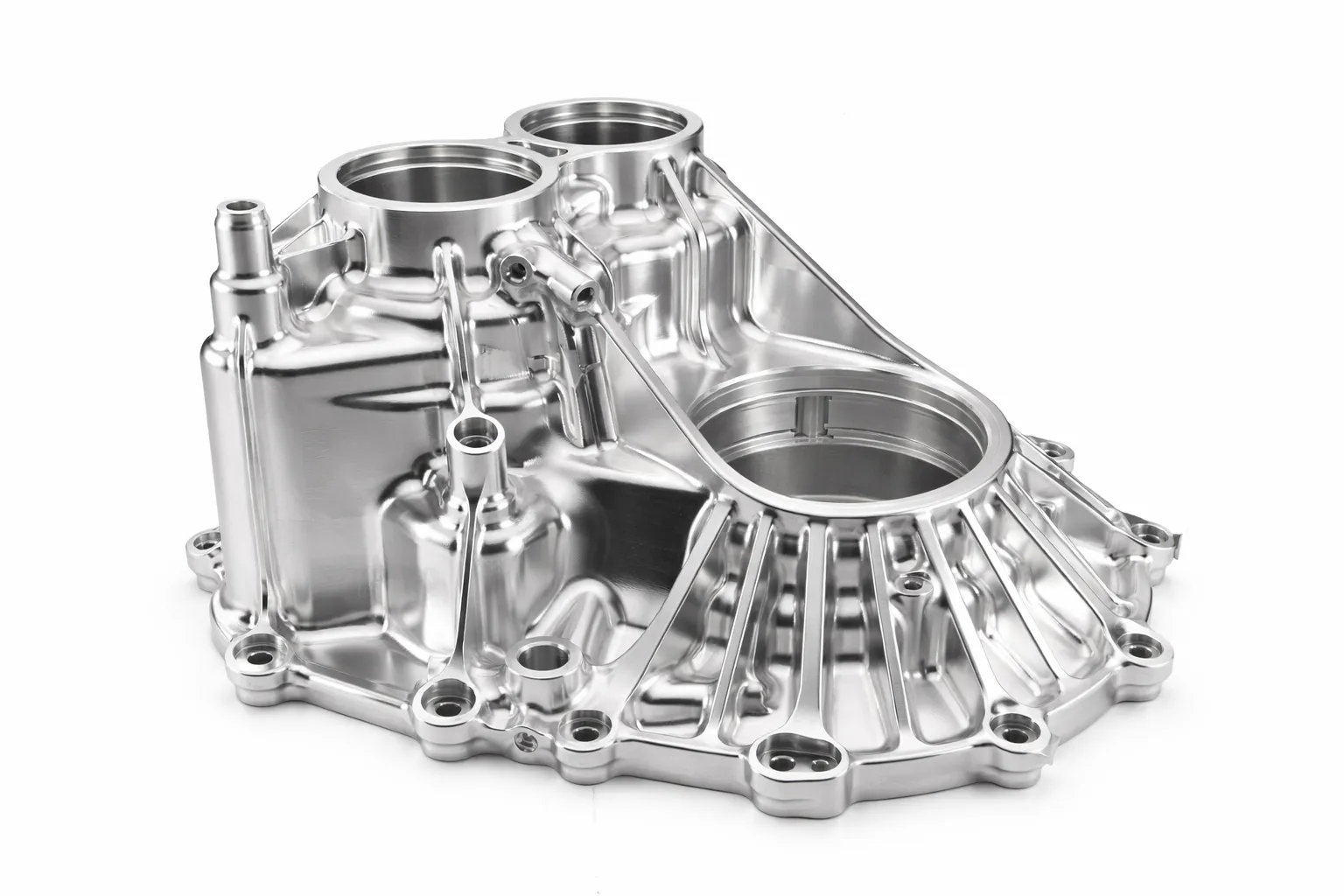
5-axis CNC machining typically costs $35–$150/hour in China and $120–$250/hour in the US and Europe, depending on machine type, accuracy requirements, and supplier capability.
These ranges are based on typical market quotes from China and Western suppliers.
However, the hourly rate is not the main cost driver. Total cost depends more on setup complexity, programming effort, and geometry accessibility.
For simple parts, 5-axis can increase cost by 30%–80%, but for complex parts requiring multiple setups, it can reduce total cost by simplifying the process.
Key Takeaways
5-axis cost increases by 30%–80% (when setups ≤2 and geometry is simple)
Programming and setup can account for 40%–60% of total cost (low volume, high complexity parts)
For parts requiring 3+ setups, 5-axis can reduce total cost by minimizing alignment errors and rework
Geometry complexity (not size) is the main reason quotes vary significantly
Cost reduction depends on simplifying machining strategy, not negotiating price
What Drives 5 Axis CNC Machining Cost?
5-axis machining cost is primarily driven by setup & programming, machining time, and tooling strategy, and their weight changes depending on part type.
1. Setup & Programming Cost
Programming cost becomes dominant when:
Low-volume or prototype production
Complex curved surfaces or continuous toolpaths
High collision risk requiring simulation
In these cases, programming can exceed machining time.
2. Machining Time Cost
Machining time dominates when:
Material is difficult to cut (e.g., stainless steel, titanium)
Surface finish requirements are high
Toolpaths are long due to part size or geometry
In production runs, machining time becomes the primary cost driver.
3. Tooling & Toolpath Strategy
Tooling cost increases when:
Long-reach tools are required (deep cavities)
Tool interference limits efficient cutting
Specialized tooling is needed for complex geometry
Cost Comparison by Part Type
5-axis machining cost varies significantly depending on geometry complexity.
Note: relative to standard 3-axis machining baseline (1.0×)
| Part Type | Relative Cost Level | Cost Multiple | Recommendation |
|---|---|---|---|
| Simple prismatic part | High (unnecessary) | 1.0× | Avoid 5-axis |
| Multi-face part | Medium | 1.2–1.8× | Consider 3+2 |
| Complex curved part | Optimal | 1.5–2.5× | Use 5-axis |
| Deep cavity / difficult access | Necessary | 2–3× | Use 5-axis |
Why Similar Parts Get Very Different Quotes
Two parts with similar size and material can have 2–3× cost difference due to setup and geometry.
Setup Impact on Cost
Each additional setup increases cost due to:
Re-fixturing time
Alignment verification
Increased scrap risk
Practical Rule
Simple parts → each setup adds ~10%–15% cost
Complex parts → each setup adds ~20%–30% cost
A part requiring 4 setups can easily cost 50%+ more than a single-setup part.
Geometry Impact
Continuous curved surfaces → higher programming cost
Interrupted surfaces → more toolpath segmentation
Difficult tool access → slower machining
How to Reduce 5 Axis CNC Machining Cost (Most Important)
Cost reduction depends on design decisions before quoting.
1. Reduce Setup Complexity
Design parts to be machined in ≤2 setups when possible.
Action: Ask your supplier — can this part be completed in ≤2 setups?
2. Avoid Unnecessary Curved Surfaces
Only keep curved surfaces where functionally required.
Action: Ask — are these curved surfaces necessary or cosmetic?
3. Improve Tool Accessibility
Avoid deep narrow pockets and excessive tool overhang.
Action: Ask — will this geometry require long-reach tools?
4. Relax Non-Critical Tolerances
Apply tight tolerances only where needed.
Action: Ask — which tolerances actually affect function?
5. Consider 3+2 Instead of Full 5 Axis
Indexed machining can often achieve the same result at lower cost.
Action: Ask — can this be done with 3+2 instead of full 5-axis?
Real Case: How Cost Was Reduced by 35%
Scenario
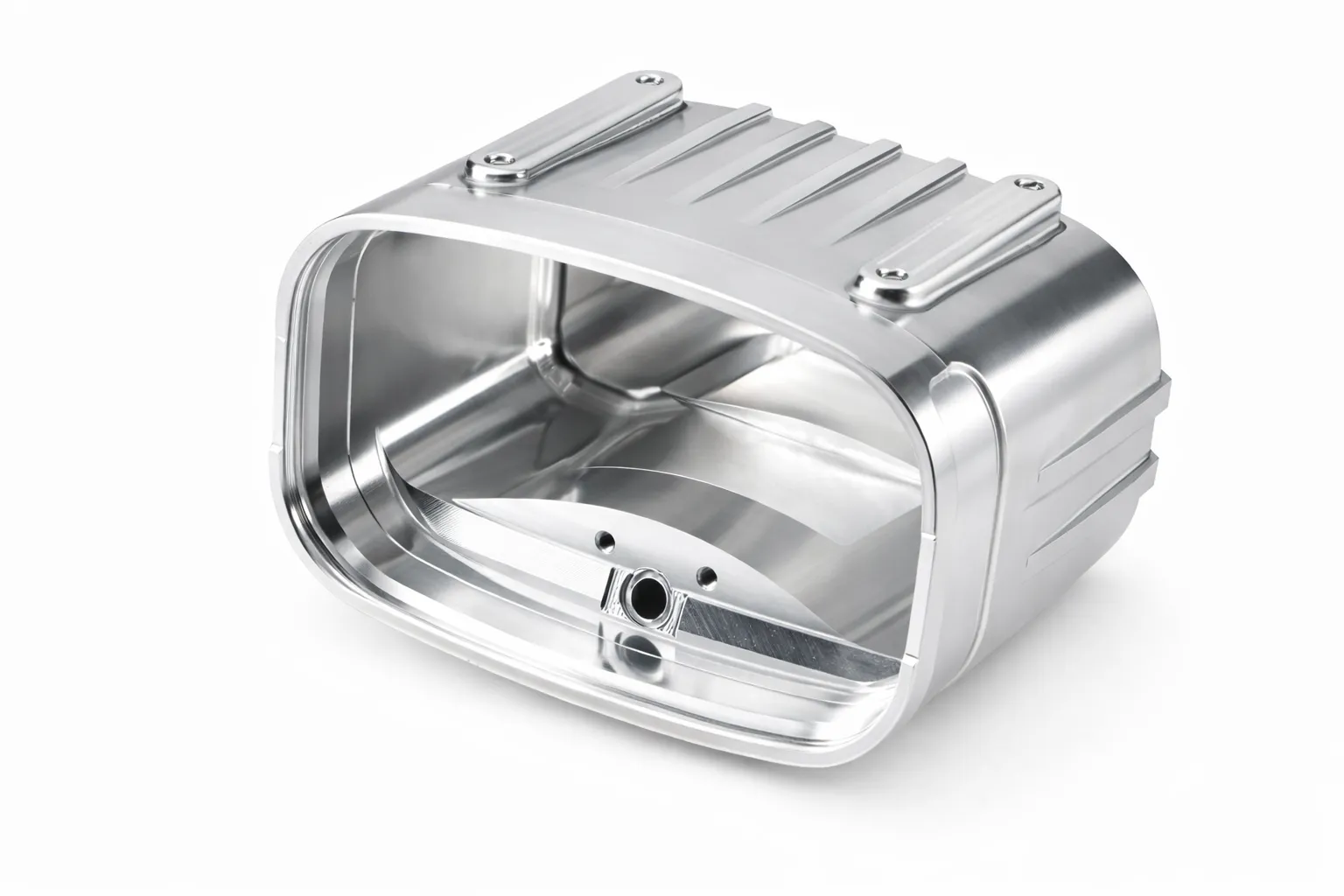
Customer designed a complex aluminum housing with multiple curved surfaces.
Initial Quote
Full 5-axis machining required
Quoted cost: $480 per part (low volume)
Why Cost Was High
Tool interference in deep features required long toolpaths
Continuous surfaces increased programming time
Multiple angled features required complex tool orientation
Optimization
Removed non-functional curved surfaces
Adjusted feature orientation to improve accessibility
Reduced toolpath complexity
Result
| Metric | Before | After |
|---|---|---|
| Machining Strategy | Full 5-axis | 3+2 machining |
| Programming Time | High | Reduced |
| Cost per Part | $480 | ~$310 |
| Reduction | — | ~35% |
Without redesign, the part would remain locked into high-cost 5-axis machining.
When 5 Axis Cost Is Actually Worth It
5-axis machining is cost-effective when it reduces total manufacturing complexity and risk.
Typical Conditions
≥3 setups required in standard machining
Continuous surfaces require uninterrupted toolpaths
Tight positional tolerances across multiple faces
FAQ
Is 5-axis CNC machining always expensive?
No. It becomes expensive only when used unnecessarily.
What is the biggest hidden cost?
Programming and setup, especially in low-volume production.
Can I reduce cost without changing material?
Yes. Geometry simplification often has a greater impact than material choice.
Before You Request a Quote
Most high quotes are not caused by supplier pricing — but by design decisions that were never reviewed.
A quick manufacturability review can often identify unnecessary complexity before production begins.
Many buyers only discover this after receiving multiple high quotes — when it’s already too late to change the design.
If you share your drawings, we can:
Identify cost drivers in your design
Suggest simpler machining strategies
Help reduce cost before quoting

Upload your CAD file — we will review it as quickly as possible.