
Anodizing
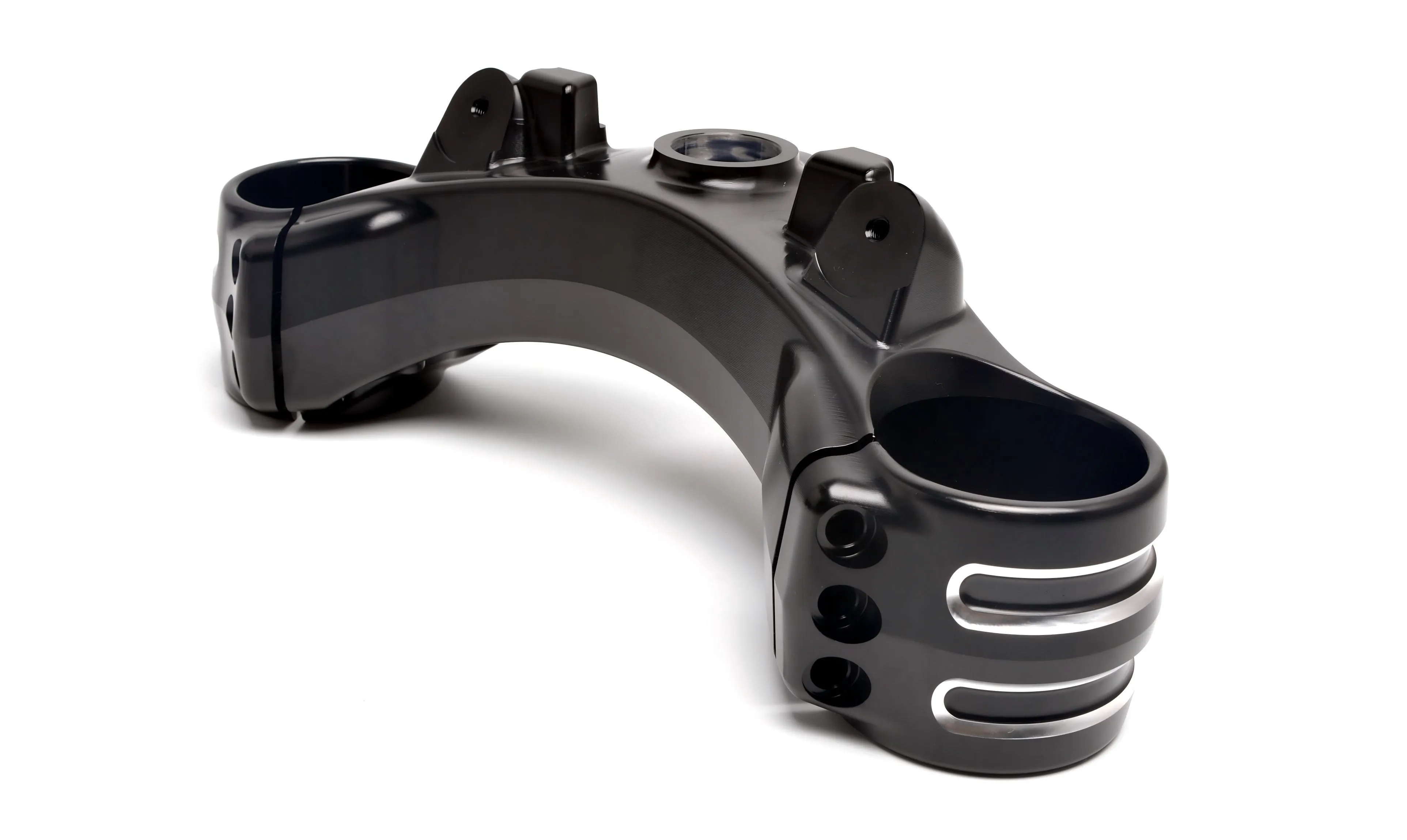
What is anodizing?
Anodizing is a common electrochemical surface treatment mainly used for aluminum and aluminum alloys. During the process, a firmly bonded oxide layer is formed on the part surface, improving corrosion resistance, wear resistance, electrical insulation, and appearance quality.
Process Overview
| Item | Brief Description |
|---|---|
| Process Characteristics | Strong bonding, wear resistance, corrosion resistance, good insulation, and support for multiple color options |
| Applicable Materials | Common aluminum alloys such as 6061, 6063, and 7075 |
| Common Colors | Natural, black, red, blue, gold, green, and purple |
| Special Effects | Matte, frosted, glossy, mirror, and ceramic-like finishes |
Toleranced Dimension
Film growth alters the dimensions of the workpiece, therefore, a machining allowance must be provided for precision components.
| Process Type | Coating Thickness Range | Dimensional Change per Side | Typical Applications |
|---|---|---|---|
| Standard Anodizing | 5–20 μm (typically 8–12 μm) | 2.5–10 μm | Cosmetic parts, electronic housings |
| Hard Anodizing | 15–50 μm (typically 25 μm) | 7.5–25 μm | Wear-resistant parts, aerospace / automotive |
| Chromic Acid Anodizing | 2–5 μm | 1–2.5 μm | Aerospace precision parts (minimal effect on fatigue performance) |
Applications of Anodized Aluminum Across Various Industries
Anodized aluminum is highly favored across a wide range of industries due to its durability, aesthetic appeal, and exceptional corrosion resistance. From aerospace structures to consumer goods, it delivers long-lasting performance and offers customizable color options, thereby enhancing both functionality and design aesthetics.
| Industry | Main Benefits | Common Applications |
|---|---|---|
| Aerospace | Lightweight, durable, corrosion-resistant | Aircraft skins, interior panels, brackets |
| Automotive | Good appearance, heat resistance | Engine covers, trim parts, suspension components, housings |
| Electronics | Premium finish, color options | Phone bezels, laptop casings, speaker grilles, watch frames |
| Medical | Clean, stable, easy to sterilize | Surgical instruments, dental equipment, medical housings |
| Industrial | High wear resistance, longer service life | Gears, pistons, pneumatic parts, robotic arm parts |
| Outdoor & Sports | Corrosion resistance, lasting appearance | Bicycle parts, climbing gear, camping equipment, firearm accessories |
FAQ
How long does anodized color last?
A high-quality anodized coating typically lasts 10–20 years in outdoor environments and 20–40 years indoors. In my experience, a well-sealed Type II coating can withstand 2,000–3,000 hours of salt spray testing without significant fading. The longevity of the color depends on the amount of UV exposure, the quality of the dyes used, the sealing method, and the thickness of the anodized layer.
What damages anodized aluminum?
Anodized aluminum is primarily susceptible to damage from strong alkaline cleaners, corrosive acids, chlorine-based chemicals, and abrasive tools. I have observed surface damage to anodized aluminum in environments with a pH level above 10, or after scrubbing with steel wool (which scratches the oxide layer). Improper sealing can also accelerate fading, corrosion, and surface chalking.
What colors are available for Type III anodizing?
Due to the dense nature of the Type III hard anodized layer, it typically develops a natural shade ranging from dark gray to black. Although coloring agents can be added, I have found that most hard anodized parts retain colors within the range of dark gray, bronze, charcoal, or black; this is because their thicker coating (25–75 μm) does not absorb dyes as uniformly as Type II anodizing.
How is aluminum anodized in different colors?
The process of color anodizing involves four controlled steps: oxide layer formation, dye absorption, optional electrolytic coloring, and sealing. I utilize a sulfuric acid bath maintained at 12–18°C to regulate the pore structure, followed by the application of organic dyes or metal salts. After coloring, the material undergoes a sealing process at a temperature of 96–100°C to lock in the pigments and ensure excellent UV resistance and abrasion resistance.
What color does 7075 aluminum alloy turn when anodized?
Due to its high zinc content, 7075 aluminum alloy typically takes on a golden-gray or light bronze hue after anodizing. My tests indicate that Type II anodizing results in slightly uneven coloring, whereas Type III anodizing tends to darken, taking on a charcoal-gray hue. While dyeing is feasible, achieving a completely uniform, vibrant color on 7075 aluminum alloy is more challenging than on 6061 aluminum alloy.