
Previous
Next
High-Precision 3D Printed Cosmetic Enclosures for 3C Electronics
In the 3C electronics industry—covering consumer electronics, communication equipment, and computing devices—product appearance is just as important as internal performance. Exterior components define the first impression of a device, influencing ergonomics, brand recognition, and overall market competitiveness. From smart devices and wearable technology to IoT terminals and portable electronics, exterior housings must combine structural precision with refined surface aesthetics.
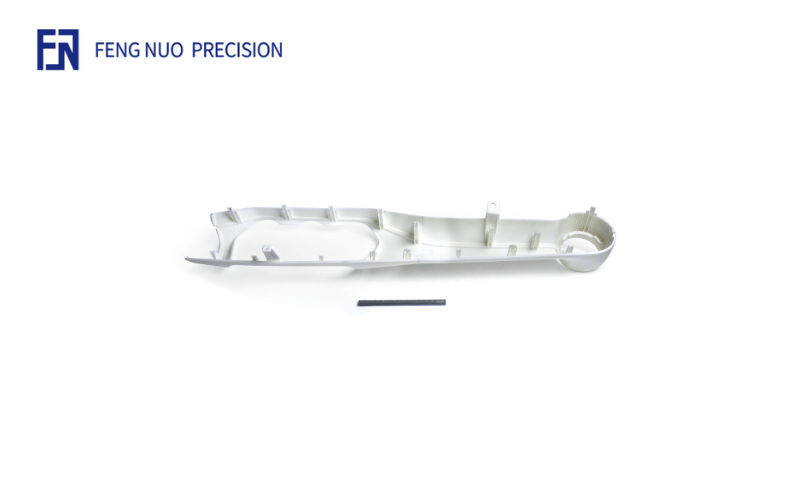
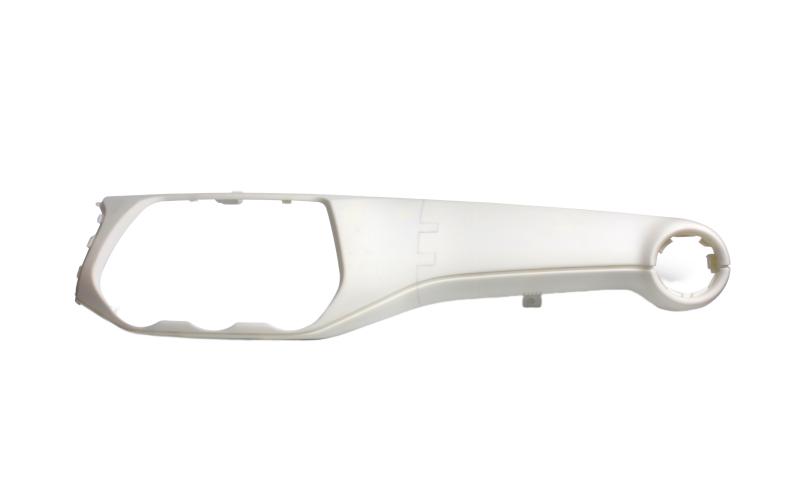
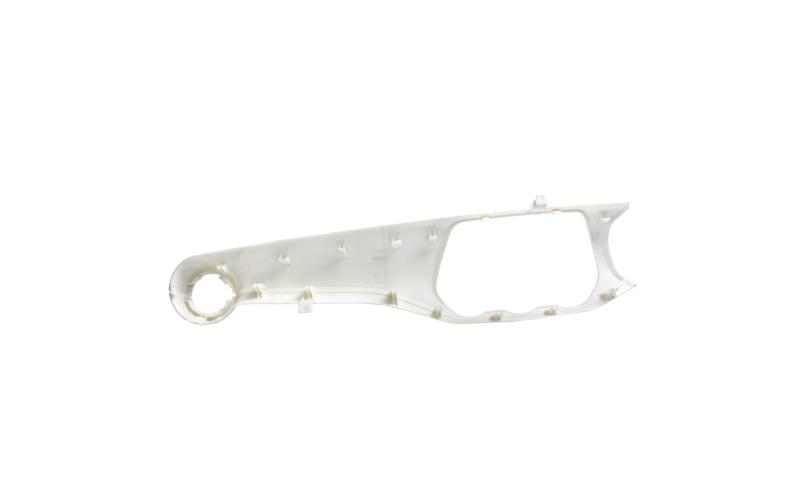
Our 3D printed cosmetic enclosures for 3C electronics are designed to support rapid product development, functional validation, and limited-volume production. Using advanced additive manufacturing technologies, we transform digital designs into high-accuracy physical components that meet the fast-paced innovation cycles of the electronics market.
Unlike traditional injection molding, which requires significant tooling investment and extended lead times, 3D printing enables direct production from CAD files. This flexibility is ideal for prototype development, design optimization, and customized production runs.
Enabling Agile Development in the Electronics Industry
Electronics manufacturers operate in short development cycles where rapid iteration is essential. 3D printing supports this agility by providing:
Quick prototype turnaround
Immediate design modification capability
Functional fit testing with internal PCBs
Early-stage ergonomic evaluation
Small-batch pilot production
Design teams can test button alignment, charging port placement, camera openings, ventilation patterns, and internal mounting structures before finalizing mass production tooling.
This approach significantly reduces development risk and accelerates product launch timelines.
Applications in 3C Electronic Exterior Manufacturing
We produce a wide range of electronic cosmetic and structural exterior components, including:
Smartphone and tablet housings
Smartwatch and wearable casings
Wireless accessory enclosures
Portable gaming device shells
Smart home control unit covers
Communication terminal panels
IoT device enclosures
Consumer audio system front plates
These components often feature thin-wall sections, snap-fit assemblies, curved ergonomic surfaces, and integrated fastening features. Additive manufacturing enables precise reproduction of these complex geometries without mold constraints.
Material Options for Electronic Exterior Parts
Material selection plays a critical role in durability, surface finish, and functional performance. Our 3D printing capabilities include:
ABS-like resins for rigid housing prototypes
PC-like materials for enhanced impact resistance
Nylon (PA12) for durable structural shells
Flame-retardant engineering plastics
TPU for flexible grip components
High-detail resin for cosmetic sample models
For devices exposed to heat or environmental stress, thermally stable materials are selected to maintain structural integrity.
In premium applications, metal 3D printing can be used to produce lightweight aluminum exterior frames or decorative accents.
Industry Processing Standards
Precision and consistency are fundamental in the 3C sector. Exterior components must align accurately with internal electronics, mounting hardware, and connectors.
Our production workflow follows structured quality management procedures, including:
ISO 9001-certified quality systems
Dimensional inspection using precision measurement tools
Assembly fit validation
Surface quality evaluation
Controlled documentation and traceability
Accurate positioning of screw bosses, clip features, and internal support ribs ensures reliable device assembly and structural stability.
Engineering Considerations in Cosmetic Electronics Parts
Developing exterior components for electronic products involves addressing several technical factors:
1. Structural Rigidity with Thin-Wall Design
Housing walls must be lightweight yet resistant to deformation.
2. Thermal Ventilation Integration
Ventilation openings must support airflow without compromising structural strength.
3. Snap-Fit and Fastening Precision
Tolerance control is critical for secure and repeatable assembly.
4. Surface Finish Quality
Exterior surfaces must meet aesthetic standards suitable for consumer markets.
Advanced print orientation strategies and post-processing methods help maintain dimensional stability and refined surface quality.
Surface Finishing and Visual Enhancement
To achieve consumer-ready appearance, 3D printed enclosures can undergo additional finishing processes, such as:
Fine sanding and smoothing
Spray painting and color matching
UV coating for enhanced durability
Soft-touch or matte surface treatment
Electroplating for metallic effects
Laser engraving for branding
These finishing techniques elevate the visual quality to meet commercial product standards.
Additional 3D Printing Capabilities for Electronics
Beyond cosmetic housings, additive manufacturing also supports:
Internal mounting brackets
Heat dissipation structures
Development-stage accessory parts
Low-volume specialty electronics
Customized product enclosures
Engineering validation prototypes
3D printing is particularly advantageous for startups, R&D teams, and specialized consumer electronics projects requiring design flexibility.
Commitment to Innovation and Precision
The 3C electronics industry requires rapid innovation, high-quality execution, and aesthetic refinement. Our 3D printing services provide manufacturers with a flexible and reliable solution for producing cosmetic exterior components.
From early-stage design validation to market testing and limited production runs, we focus on dimensional precision, material performance, and refined surface finishing.
Whether supporting established global electronics brands or emerging technology developers, our 3D printed cosmetic enclosures help bring innovative products to market efficiently and competitively.