
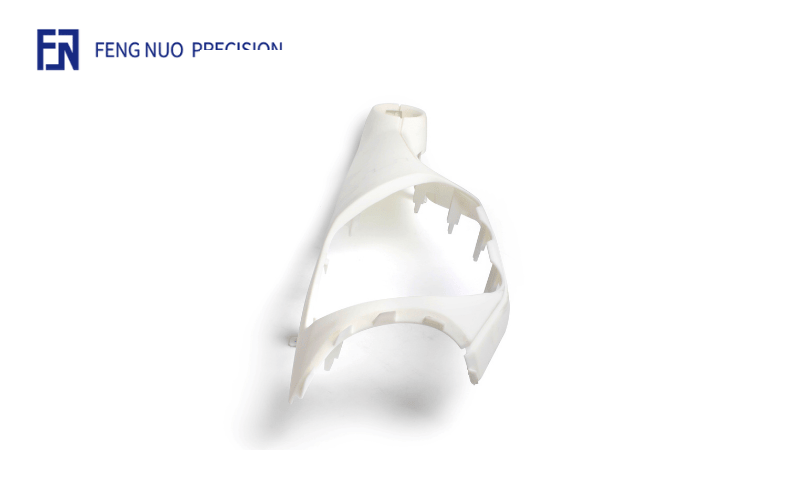
3D Printed Exterior Parts for 3C Consumer Electronics
In the highly competitive 3C electronics industry—covering computers, communications, and consumer electronics—product appearance, structural precision, and rapid development cycles are critical success factors. Exterior components such as device housings, covers, frames, and decorative shells define not only protection and functionality, but also brand identity and user experience.
Our 3D printed exterior parts for 3C electronic products are engineered to support fast prototyping, design validation, and small-batch production for modern electronic devices. By leveraging advanced additive manufacturing technologies, we enable electronics manufacturers, startups, and product designers to transform digital concepts into accurate physical components with speed and flexibility.
Compared to traditional injection molding, 3D printing eliminates the need for expensive molds during early-stage development. This allows faster iteration, cost-efficient sampling, and efficient customization.
Applications in 3C Electronics
Exterior components for 3C devices commonly include:
Smartphone and tablet housings
Smart wearable casings
IoT device enclosures
Laptop and peripheral shells
Communication device covers
Audio equipment front panels
Smart home control unit casings
These parts often require a balance between thin-wall design, structural rigidity, and refined surface appearance.
3D printing supports detailed geometry such as ventilation slots, speaker openings, camera cutouts, button recesses, and snap-fit assembly features—all integrated directly into the build process.
Advantages of 3D Printing for Electronic Exterior Parts
Additive manufacturing provides several advantages for electronics product development:
1. Rapid Prototyping
Engineers can validate ergonomics, fit, and internal assembly compatibility before mass production.
2. Design Flexibility
Complex shapes, curved surfaces, and integrated structural ribs can be produced without additional tooling.
3. Lightweight Construction
Optimized internal structures reduce material usage while maintaining strength.
4. Customization
Limited-edition products or customized designs can be manufactured without large tooling investment.
This flexibility is particularly valuable in the fast-moving consumer electronics market.
Materials for 3C Exterior Components
Material selection depends on mechanical strength, heat resistance, and surface finish requirements. Common materials include:
ABS-like resin for rigid housing prototypes
Nylon (PA12) for durable structural shells
PC-like materials for impact resistance
Flame-retardant engineering plastics
TPU for flexible components
High-resolution resin for cosmetic prototypes
For electronic devices exposed to heat, materials with enhanced thermal stability are selected to maintain dimensional integrity.
In certain premium applications, metal 3D printing may be used for structural frames or decorative aluminum parts.
Industry Standards and Quality Requirements
The 3C electronics industry demands consistent dimensional accuracy and high surface quality.
Our production processes support:
ISO 9001 quality management standards
Dimensional inspection using precision measuring tools
Fit verification with internal assemblies
Surface quality control
Controlled documentation and production records
Precise tolerance control ensures compatibility with circuit boards, connectors, and fastening systems.
For snap-fit assemblies and multi-piece housings, alignment accuracy is essential for reliable assembly performance.
Engineering Considerations for Electronic Housing Parts
Manufacturing exterior electronic components involves careful attention to:
1. Wall Thickness Control
Thin-wall sections must remain stable without warping or deformation.
2. Thermal Management
Ventilation openings and airflow pathways must support device cooling.
3. Assembly Fit
Accurate positioning of screw bosses, mounting pillars, and connector ports is critical.
4. Surface Finish
Cosmetic surfaces must meet aesthetic standards for consumer products.
Advanced slicing strategies and optimized print orientation help ensure dimensional stability and consistent surface quality.
Post-Processing and Finishing Options
To achieve consumer-ready appearance, 3D printed exterior components may undergo additional finishing treatments such as:
Precision sanding and polishing
Spray painting or UV coating
Soft-touch surface coating
Electroplating or metallic finishing
Laser engraving for branding
These finishing processes enhance visual appeal and improve durability.
Additional 3D Printing Applications in Electronics
Beyond exterior housings, additive manufacturing supports:
Internal mounting brackets
Heat dissipation structures
Cable management components
Prototype keyboard frames
Smart device accessory parts
Small-batch production enclosures
3D printing is particularly advantageous for early-stage product development and customized electronics solutions.
Commitment to Innovation and Speed
The 3C electronics market requires rapid innovation cycles and high aesthetic standards. Our 3D printing capabilities enable flexible production of exterior components tailored to modern consumer electronics.
From prototype evaluation to small-batch customized production, we focus on dimensional precision, structural performance, and surface quality.
Whether supporting emerging tech startups or established electronics manufacturers, our 3D printed exterior components provide speed, flexibility, and manufacturing reliability for today’s dynamic electronics industry.