
Previous
Next
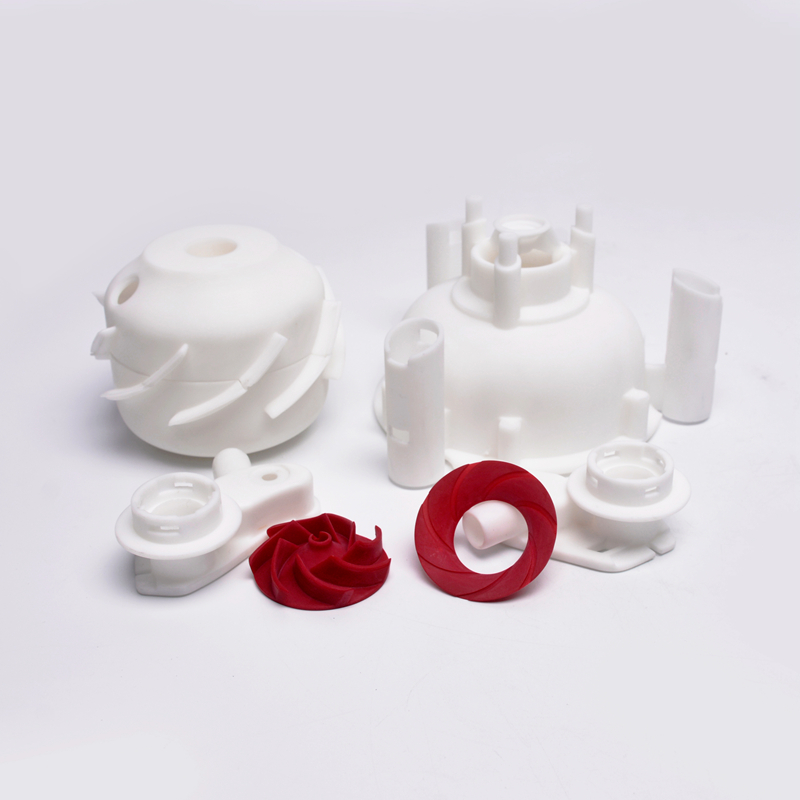
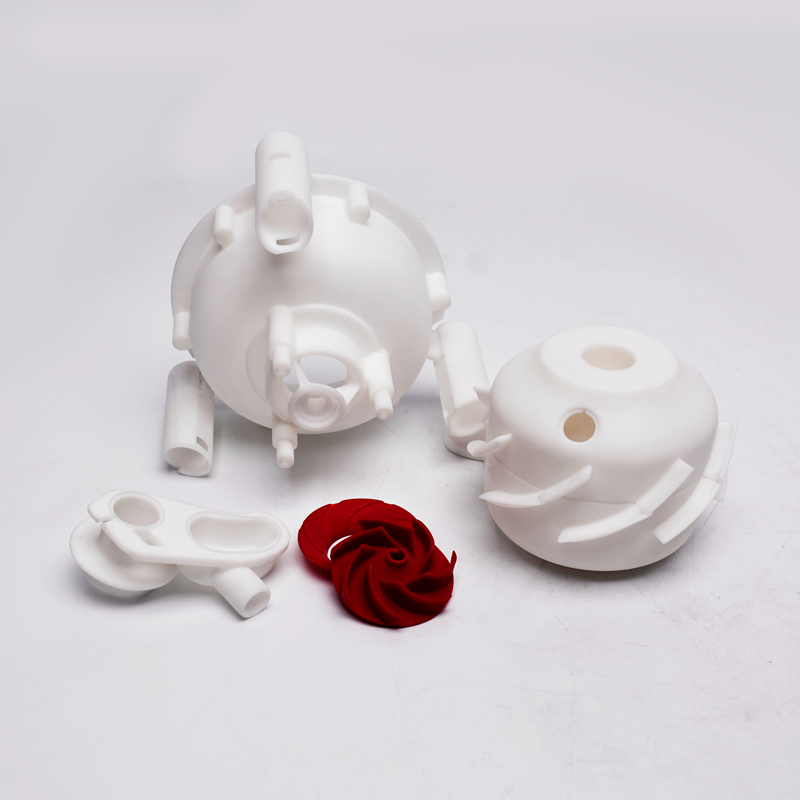
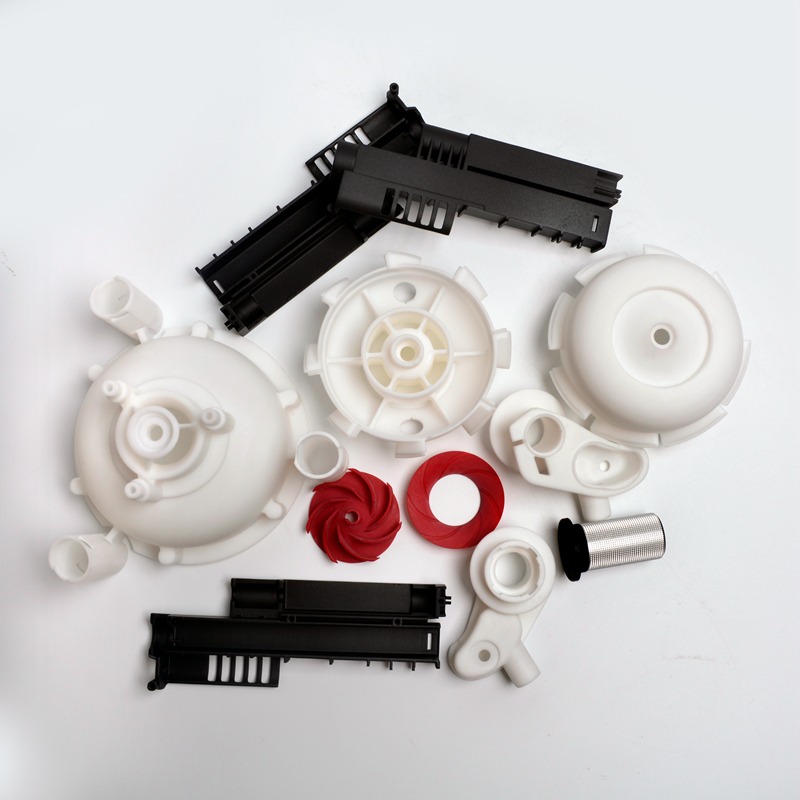
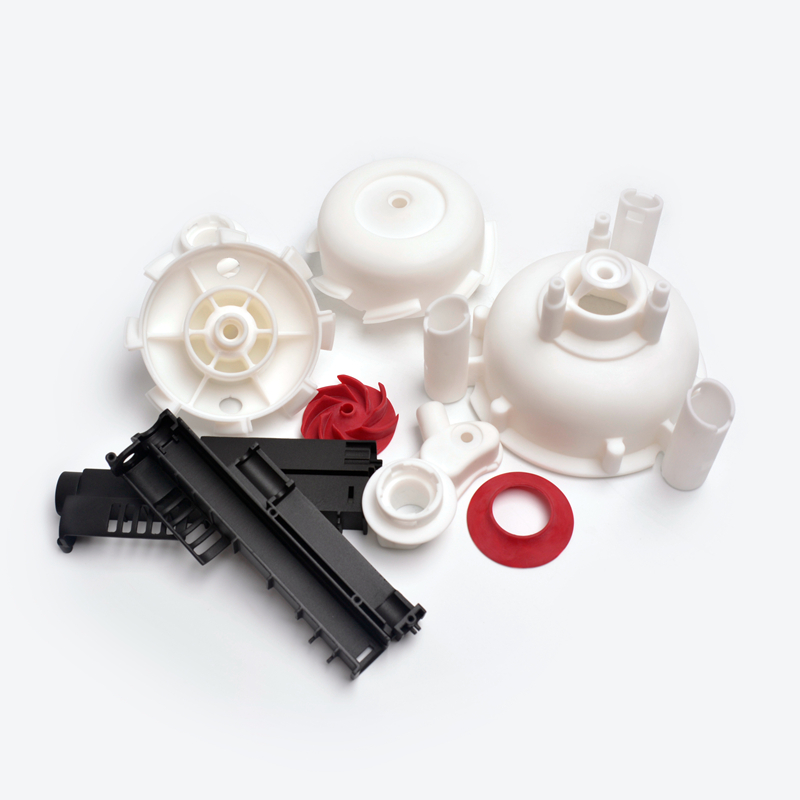
3D Printed Water Pump Components for Medical Applications
In the medical industry, fluid management systems must deliver accuracy, reliability, and strict compliance with regulatory standards. Medical water pumps are widely used in applications such as dialysis equipment, sterilization systems, laboratory devices, cooling units for imaging equipment, and fluid circulation systems in medical research environments. The structural and functional components within these pumps must meet high standards of precision and material safety.
Our 3D printed water pump components for medical applications are engineered to provide complex geometry capability, rapid prototyping flexibility, and reliable structural performance. Using advanced additive manufacturing technologies, we produce lightweight, customizable pump parts that support efficient fluid flow and accurate system integration.
Unlike conventional subtractive machining, 3D printing enables intricate internal channel designs, optimized fluid pathways, and integrated structures that would otherwise require multiple assembled parts.
Advantages of 3D Printing for Medical Pump Components
Medical pump parts often include:
Internal fluid flow channels
Complex curved passages
Lightweight structural reinforcement
Custom sealing interfaces
Integrated mounting geometries
Prototype validation structures
Additive manufacturing allows these complex features to be produced in a single build process, reducing assembly complexity and improving design flexibility.
For medical device developers, 3D printing significantly shortens development cycles. Rapid iteration enables engineers to test and refine pump geometries before transitioning to mass production.
Materials for Medical 3D Printed Pump Parts
Material selection is critical in medical applications. Depending on system requirements, we utilize medical-compatible materials such as:
Biocompatible resins for non-load-bearing components
Medical-grade nylon (PA12) for structural parts
High-performance engineering polymers
Metal additive materials for high-strength components
Stainless steel or aluminum 3D printed structures
Material properties are selected based on chemical compatibility, sterilization requirements, and mechanical load conditions.
For water pump systems exposed to cleaning agents or sterilization processes, corrosion resistance and dimensional stability are essential.
Compliance with Medical Manufacturing Standards
Medical components must comply with rigorous quality and regulatory requirements. While 3D printed parts are often used in prototyping or specialized equipment, production must still align with structured quality systems.
Our manufacturing processes support:
ISO 9001 quality management systems
ISO 13485-oriented production practices
First Article Inspection (FAI)
Material traceability
Controlled documentation and inspection records
Dimensional verification is performed using coordinate measuring machines (CMM) and precision inspection tools to ensure compliance with specified tolerances.
For functional pump components, leak testing and fit verification are conducted to ensure system reliability.
Engineering Considerations in 3D Printed Pump Components
Manufacturing water pump components for medical applications involves careful attention to several technical factors:
1. Fluid Channel Optimization
3D printing allows smooth internal pathways that improve flow efficiency and reduce turbulence.
2. Sealing Accuracy
Interface surfaces must maintain dimensional accuracy to prevent leakage.
3. Structural Strength
Thin-wall sections must balance lightweight design with sufficient mechanical stability.
4. Sterilization Compatibility
Materials and finishes must withstand cleaning and sterilization procedures without degradation.
Post-processing techniques such as surface smoothing and sealing treatments may be applied to enhance fluid compatibility.
Post-Processing and Finishing Options
3D printed medical pump components may undergo additional finishing processes to improve performance and surface quality:
Precision sanding and polishing
Surface sealing or coating
Heat treatment (for metal parts)
Passivation (for stainless steel components)
Laser marking for traceability
Post-processing ensures dimensional accuracy, surface smoothness, and durability in medical environments.
Additional Medical 3D Printing Applications
Beyond water pump components, 3D printing in the medical sector commonly includes:
Prototype housings for diagnostic devices
Customized laboratory equipment parts
Surgical guide components
Medical instrument handles
Fluid system connectors
Research and development prototypes
Additive manufacturing is particularly advantageous for low-volume production and customized medical devices.
Commitment to Medical-Grade Innovation
Medical device manufacturing requires precision, reliability, and adaptability. Our 3D printing capabilities enable rapid development and production of water pump components tailored to specific medical applications.
From early-stage prototyping to specialized small-batch production, we focus on material compatibility, dimensional accuracy, and structural integrity.
Whether supporting medical equipment manufacturers, laboratory system developers, or healthcare technology innovators, our 3D printed pump components contribute to efficient, reliable, and compliant medical fluid management systems.